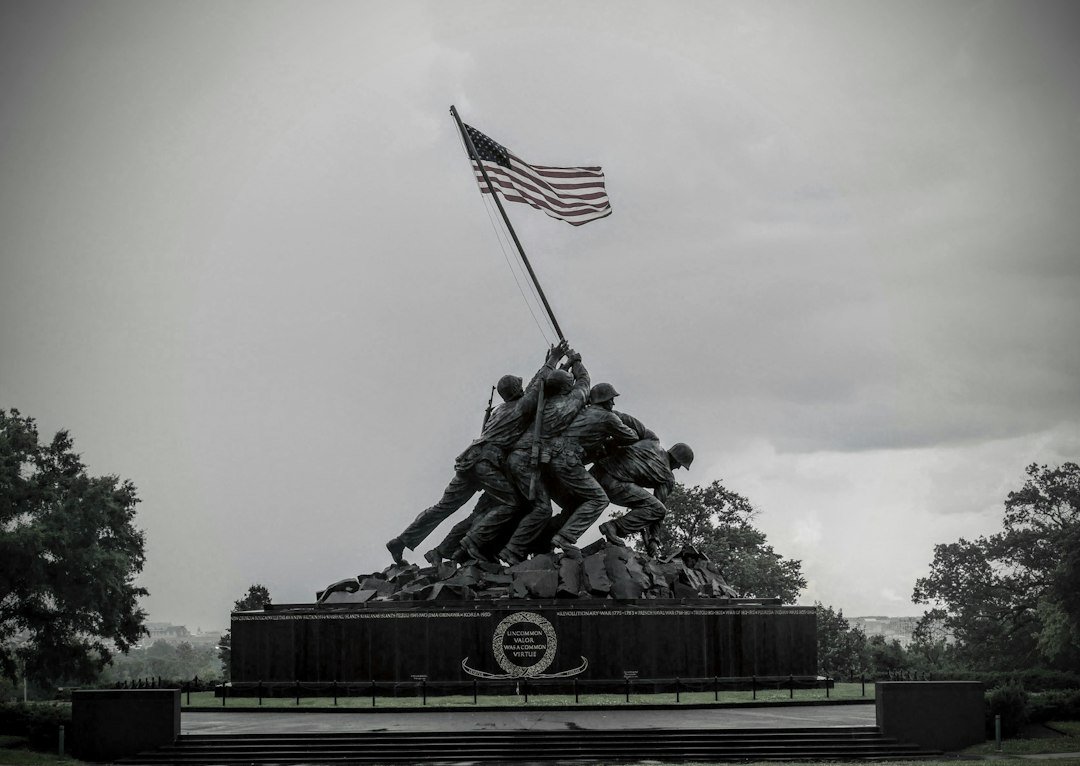
Iconic War Photography Sculpture Falls Victim to Destruction
A monumental bronze sculpture commemorating one of photojournalism’s most celebrated images has been subjected to deliberate destruction, resulting in extensive damage valued in the hundreds of thousands of dollars. The sculpture, which draws inspiration from Joe Rosenthal’s acclaimed Pulitzer Prize-winning photograph documenting the flag-raising at Iwo Jima, became the target of a vandalism attack involving the use of a sledgehammer.
Rosenthal’s original image, captured during World War II, stands as a defining moment in documentary photography and remains one of the most recognizable photographs in modern history. The composition documents American servicemen hoisting the national flag atop Mount Suribachi, creating a powerful visual narrative that has transcended its historical moment to become an enduring symbol within popular culture and patriotic imagery.
Significance of the Photograph
The original photograph’s impact on photojournalism cannot be overstated. Its technical mastery—from compositional balance to tonal range—established new standards for war photography and documentary practice. Rosenthal’s work exemplifies how a single frame can capture collective emotion and historical significance, influencing generations of photographers working within news and editorial contexts.
The decision to translate this iconic two-dimensional image into three-dimensional sculptural form reflects the photograph’s enduring cultural resonance. Monumental interpretations of historical photographs serve as tangible connections between past events and contemporary audiences, functioning as both artistic tributes and public memorials.
The Vandalism Attack
The destruction of the sculpture through blunt force trauma represents not merely property damage but also an assault on cultural heritage and historical remembrance. The deliberate nature of the attack—specifically targeting the figure’s head with a sledgehammer—suggests intentional desecration rather than accidental damage.
Such incidents raise important questions about public art security, institutional responsibility, and the protection of historically significant works. Museums, galleries, and outdoor installations worldwide face ongoing challenges in preserving vulnerable pieces while maintaining accessible public spaces.
Implications for Public Art and Photography Heritage
This incident occurs within a broader context of discussions surrounding public monuments and their role in contemporary society. For the photography community specifically, the damage to a sculpture based on arguably the most significant war photograph ever captured underscores the need for robust conservation protocols and security measures protecting culturally valuable artworks.
The restoration process will require specialized sculptural expertise, materials analysis, and careful documentation to ensure the piece’s historical integrity remains intact. Conservation professionals will need to approach reconstruction thoughtfully, balancing restoration with authenticity.
This event serves as a reminder of photography’s profound ability to generate enduring cultural artifacts and the responsibility accompanying their preservation. Rosenthal’s original photograph continues inspiring artistic reinterpretations and historical reflections, yet each derivative work requires appropriate safeguarding to ensure its accessibility for future generations.