A prominent South Korean politician is under fire from the country’s media after describing photojournalists as a “pack of hyenas” in an online chatroom. The remark has prompted press photographers to file a formal complaint with the police, turning a offhand comment into a broader debate about how public figures treat the people who document their work.
Outrage Spreads Across the Press Corps
News organizations have responded quickly and sharply. For working photojournalists, the comparison to scavenging animals is more than a playground insult. It casts an entire profession as predatory and dishonest, at a time when many photographers already face hostile crowds, aggressive security staff, and public suspicion about the images they produce.
The complaint from press photographers signals that the matter is being treated as more than a passing spat. Filing with law enforcement is a deliberate step, and it reflects a growing willingness among journalists to challenge derogatory language aimed at their colleagues.
Why the Word Choice Matters
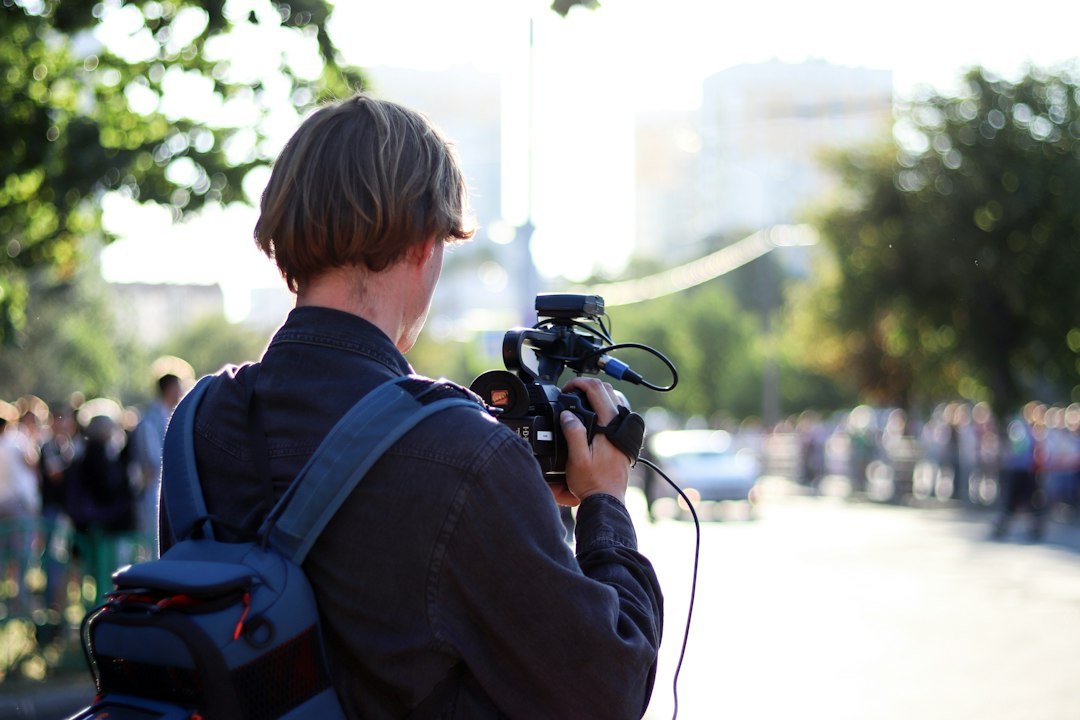
Photojournalists rely on proximity. They stand at press conferences, parliamentary events, protests, and disaster scenes, often within arm’s reach of the people they cover. Their images frequently become the public’s first and most lasting impression of a story. When a lawmaker attacks the photographers themselves, the criticism reaches beyond individual reporters and touches the wider relationship between officials and the visual record of their conduct.
Industry observers often point out that press photographers operate under established norms. They typically wear credentials, follow access rules set by event organizers, and capture images in real time under deadline pressure. Describing them as a swarm of scavengers ignores those professional standards and reduces skilled, accountable work to a caricature.
A Wider Question About Press Freedom
Episodes like this one tend to draw attention to the long-running tension between politicians and the press. Public officials frequently complain about intrusive coverage, and some feel uncomfortable being photographed from close range. Yet a democratic press depends on the ability to observe those in power without intimidation or public humiliation. Demeaning language, even in a private or semi-private online space, can influence how journalists are treated in person and how audiences view their credibility.
For photographers, the stakes are practical as well as symbolic. Shooting in crowded or tense environments already carries physical and professional risks. Rhetoric that paints photographers as vermin can encourage hostility from supporters and make an already difficult job more dangerous.
What Comes Next
The police complaint now puts the matter in official hands, and the media’s reaction suggests that the issue will not fade quickly. Whatever the outcome, the episode underscores a simple point for the photography community: the people behind the lens are part of the story’s infrastructure, and how they are described matters. Respect for the profession is not a courtesy extended to photographers but a foundation for accurate, accountable reporting.