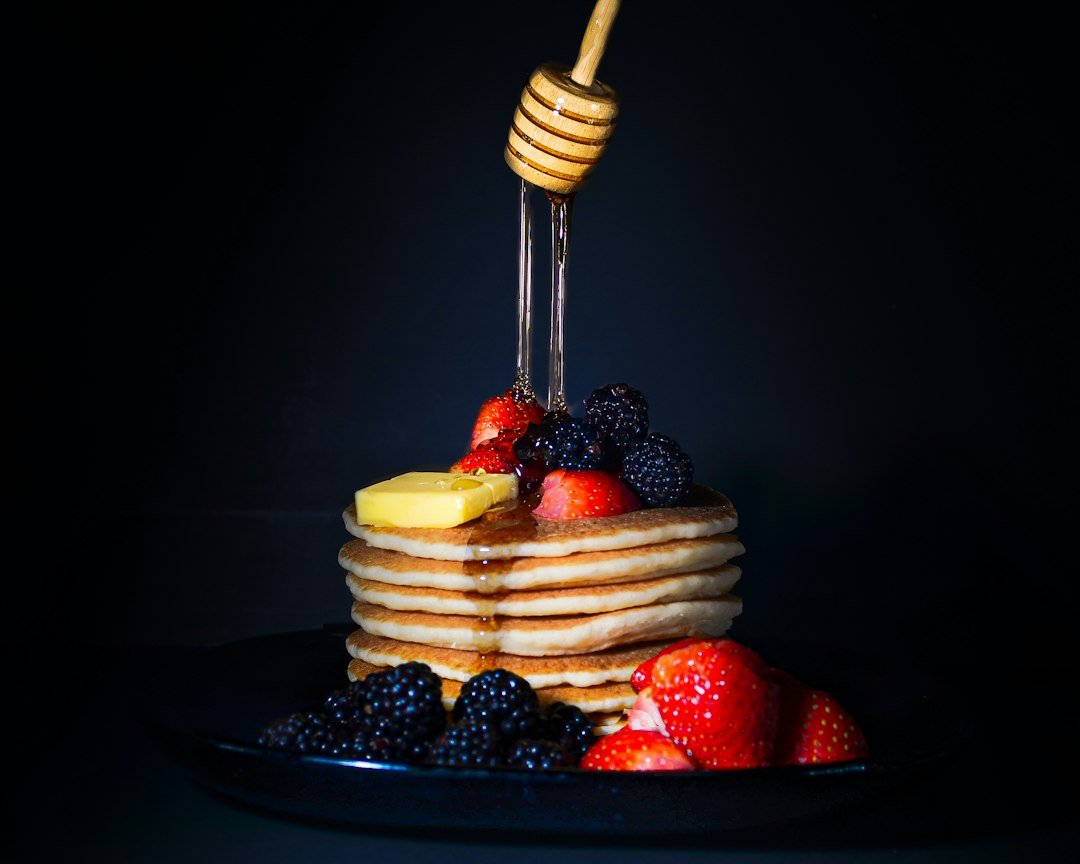
Japan has long treated food imagery with real seriousness. Restaurant menus, packaged goods, and advertising campaigns are expected to show what customers will actually receive, and regulators hold brands to that standard. Now, the rapid spread of AI-generated food images is putting that expectation under pressure, and industry watchers are paying close attention.
Why Food Photography Carries Extra Weight
For photographers, food work has always been a craft of controlled deception in the best sense. Stylists brush oil onto proteins to make them glisten, swap in cold mashed potatoes for steaming ones under the lights, and build set-ups that look effortless on screen. Japan’s marketing culture, however, draws a firm line between styling a real dish and presenting something that cannot be served at all. When a photo promises a product that does not exist, it moves from clever art direction into potentially misleading territory.
The Appeal of Synthetic Imagery
Generative AI tools can now produce convincing plates, textures, and lighting in minutes. For brands, the attraction is obvious. There is no need to hire a studio, book a food stylist, or source perishable ingredients for a shoot that may last only a few hours. Images can be adjusted, localized, and reused across packaging, websites, and social channels with very little overhead. Yet the same efficiency that makes these tools useful also makes them easy to misuse, especially when the output looks more appetizing than the real item.
Why the Concern Is Growing
The core worry is consumer trust. A customer who orders a dish based on a picture expects the portion, color, and ingredients to match. If the image was generated rather than captured, that expectation may rest on details the product cannot deliver. Critics argue that this blurs the boundary between legitimate retouching and fabrication, and that existing advertising norms were written for photographs of real food, not for algorithmic renderings.
There is also a question of transparency. Photographers and agencies have spent decades debating how much editing is acceptable before an image becomes misleading. AI adds a new layer to that debate, because the image may never have depicted a physical object at all. Without clear disclosure, viewers have little way to tell whether they are looking at a plate someone cooked or one a model assembled from training data.
What Comes Next for the Industry
Several practical steps could help. Brands can label AI-generated imagery clearly, keep a record of how images were produced, and reserve synthetic visuals for concepts rather than representations of specific products. Agencies and photographers, meanwhile, have an opportunity to emphasize what traditional food photography still does best: honest, tactile images made with real ingredients and real light. Many working professionals argue that authenticity is becoming a selling point in its own right.
For now, the situation in Japan serves as an early case study for the wider food and advertising world. As generative tools improve, the gap between a photograph and a rendering will narrow, and the responsibility for transparency will rest with the people who publish the images. Whether the industry responds with clearer rules, better labeling, or a renewed commitment to real food, the debate is likely to shape how visual truth is defined in commercial imagery for years to come.