Few recent dramas have drawn as much attention to their visuals as Primetime. The film tells the story of Chris Hansen and his television program To Catch a Predator, with Robert Pattinson and Merritt Wever leading the cast. Audiences are pulled into its tense scenes, and the cinematography plays a major part in that effect.
A Deliberate Choice of Medium
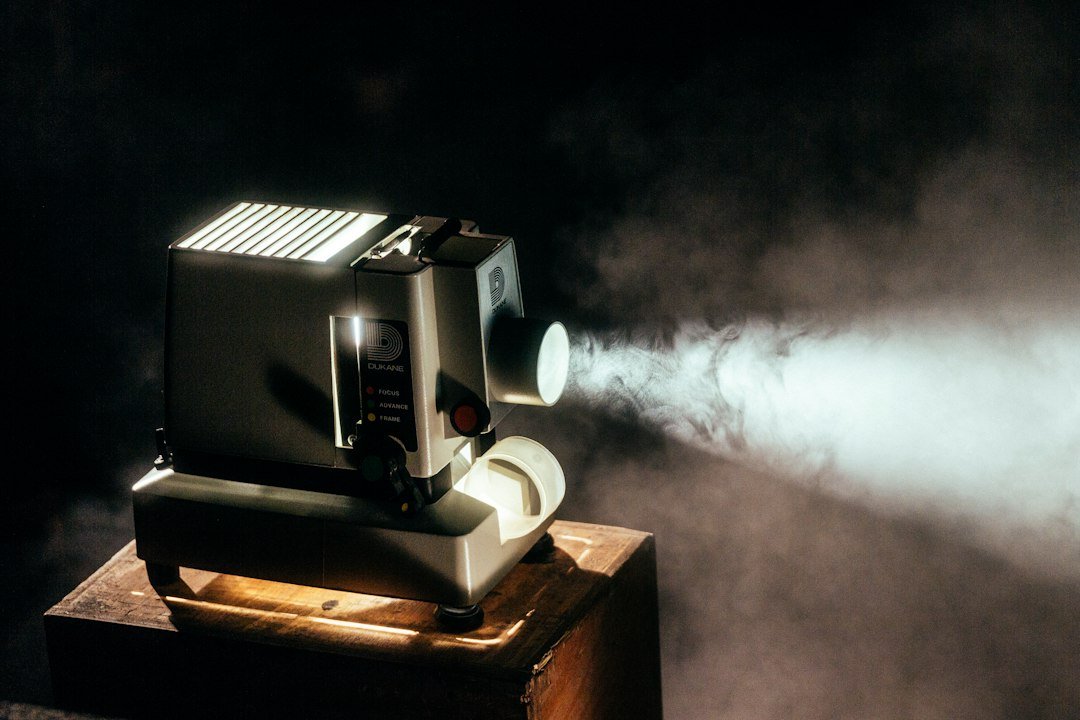
What makes the film’s imagery especially interesting is the process behind it. The filmmakers chose to print the entire feature onto 16mm film, then rescan the results for the final release. In an era when most productions are shot and finished entirely on digital sensors, that decision stands out. It reflects a belief that certain looks are difficult to reproduce without the physical properties of celluloid.
Why Film Still Matters
Photochemical film carries qualities that many cinematographers still prize. Its grain structure is organic and irregular, unlike the uniform noise of digital capture. Film also responds to light in a different way, rolling off highlights gently and producing soft color transitions that can feel warm and lived-in. Because each frame is a physical record, the image carries a texture that is hard to fake in post-production.
Working with 16mm introduces practical constraints as well. The format offers a smaller negative than 35mm, so it typically yields more visible grain and a softer overall resolution. Those limitations become creative assets when a story calls for intimacy, rawness, or a sense of the past. Choices like these force a crew to plan lighting, exposure, and lens selection with unusual care, since there is far less room to correct mistakes later.
The Scan and Finish
Once the material was exposed and developed, the footage had to return to the digital world. Rescanning a printed film through a high-quality scanner converts the chemical image into data that can be graded, edited, and delivered for theaters and streaming platforms. This step is where the filmmakers could preserve the grain and tonal character of the original stock while meeting modern distribution standards. The balance between honoring the analog source and taking advantage of digital finishing tools is a central challenge for any film-based project.
A Look Worth Studying
For photographers and filmmakers, Primetime offers a useful case study. It shows that a carefully planned analog workflow can still produce a contemporary film with a distinct identity. Whether you shoot stills or motion, the project is a reminder that the medium shapes the message. The film’s visual approach supports its tense, grounded storytelling, and it rewards viewers who pay attention to how the images are built.