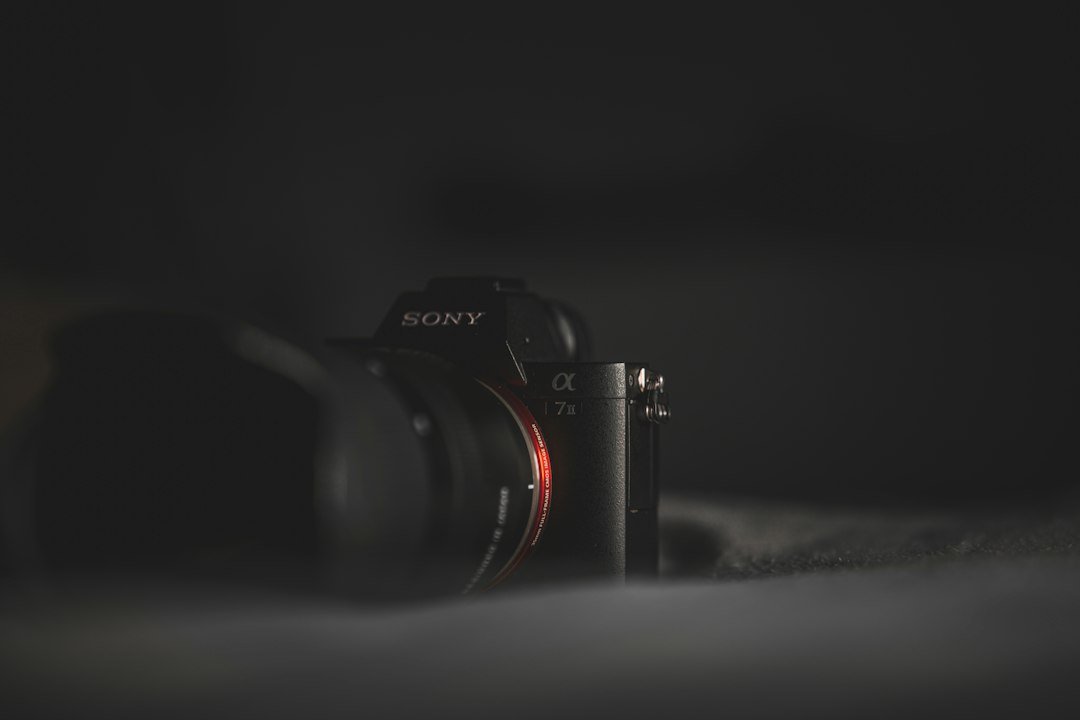
Walk through Sony’s full-frame E-mount catalog and you’ll find everything from pocket-friendly primes costing a few hundred dollars to super telephotos that top $10,000. The range is impressive, but it also creates a problem. Many of these lenses cover nearly identical focal lengths, so a lens’s price says surprisingly little about whether it will suit the way you shoot.
Start With Your Shooting, Not the Spec Sheet
The smartest lens purchase begins with a simple question: what do you photograph most often? A portrait photographer working in a studio has very different needs from a wildlife shooter tracking birds across a marsh or a travel photographer who wants to keep a kit light enough for a full day on foot. Before comparing numbers, list the focal lengths you use, the lighting you usually encounter, and how much weight you’re willing to carry.
Where Premium Glass Earns Its Keep
Higher-tier optics, including Sony’s G Master line, justify their cost in specific situations. Wide maximum apertures such as f/1.2 or f/1.4 deliver shallow depth of field and strong low-light performance. Advanced optical designs with extra-low dispersion elements and specialized coatings help control chromatic aberration and flare, which matters most when you’re shooting backlit subjects or printing large. If you regularly work in demanding conditions, that performance gap is real and worth paying for.
Where Budget Lenses Shine
Compact primes deserve more respect than they sometimes receive. A small, inexpensive prime can be sharp, fast to focus, and easy to carry for street, documentary, or everyday work. Because these lenses are light and unobtrusive, they often get used more than a heavier zoom sitting in the bag. For beginners and enthusiasts, a well-chosen prime frequently delivers more creative value per dollar than a large, costly zoom.
Be Careful With Overlapping Focal Lengths
This is where many buyers overspend. When two lenses cover the same range, ask what separates them: maximum aperture, autofocus speed, weather sealing, size, or image quality at the edges of the frame. If the difference is mainly a few percent of sharpness that you’ll never notice in a print, the cheaper option may serve you just as well. Conversely, if you shoot in rain, dust, or heavy use, a sealed lens may save you money over time by surviving conditions that would damage a lighter build.
Telephotos: Buy for the Subject, Not the Prestige
Super telephotos, particularly those approaching or exceeding $10,000, are professional tools for sports, wildlife, and aviation. For most hobbyists, a mid-range telephoto zoom offers enough reach and flexibility at a fraction of the price. Consider how often you’ll actually shoot at long distances, whether you need a teleconverter compatibility, and how much bulk you’re willing to haul to a shoot. Renting an expensive telephoto for a single trip is often a smarter move than buying one outright.
Where You Can Save
Used and refurbished lenses from reputable dealers can offer substantial savings with reliable performance, especially on older designs that still hold up well on current bodies. Check that any used lens includes a warranty or return window, and inspect the front and rear elements for scratches or haze. Also weigh whether you truly need the newest model; a lens that’s a generation old may deliver nearly identical results at a lower price.
The Bottom Line
Sony’s E-mount system rewards thoughtful buying. The most expensive lens is not automatically the right one, and the cheapest option is not always a compromise. Define your subjects, lighting, and workflow first, then compare lenses that genuinely fill those needs. Spend where performance and durability matter to your work, and save where a simpler optic will do the job just as well.