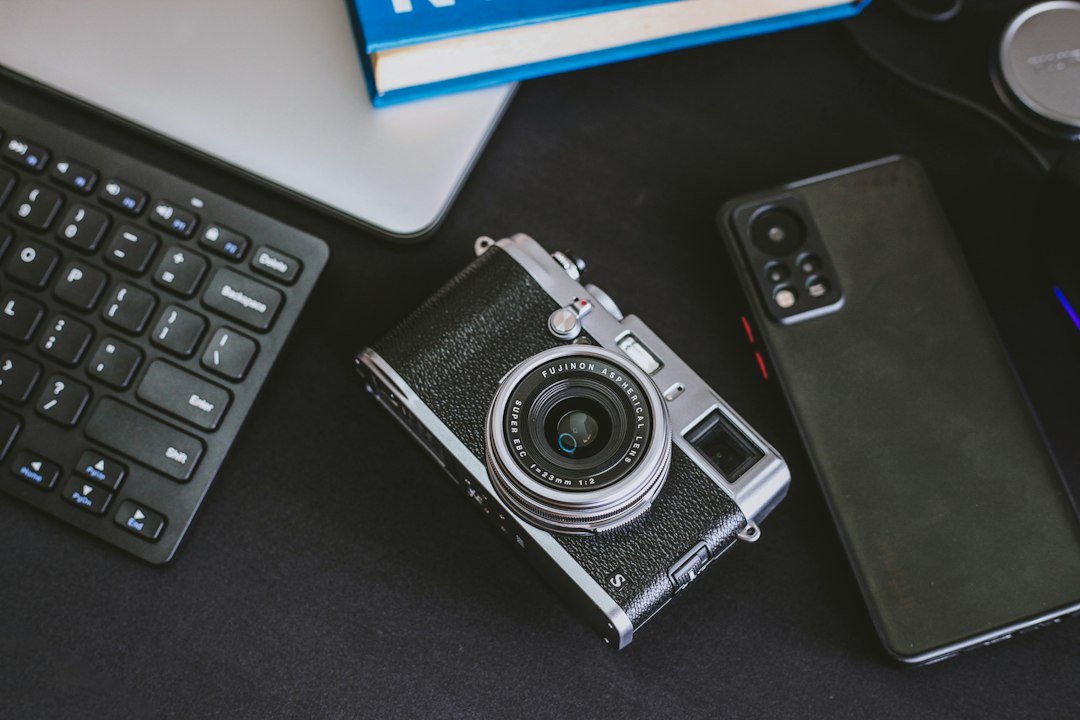
Scroll through camera communities for more than a few minutes and you may notice a shift. Across Reddit and Instagram, a growing number of photographers are installing custom firmware on their cameras. Some of these projects are private experiments shared with friends, while others are packaged for public download, often requiring nothing more than a file or two from the internet. Their scope ranges from modest to ambitious. Some users add custom color profiles or bring features from a manufacturer’s newest body to an older model. Others build tools that give cameras abilities their makers never intended. And, inevitably, a few have got Doom running on a camera.
Modified firmware is not new, but it has rarely been this widespread or this divisive. Certain communities, including r/SonyAlpha, have banned discussion of reverse-engineered firmware entirely, while other forums see fresh customization posts almost daily. So where did this movement come from, and what could it mean for manufacturers and users alike?
A Modest History
Hacked camera firmware has never been common, but it has produced some landmark projects. One of the earliest, the Canon Hack Development Kit (CHDK), appeared around 2006 and was built to extend Canon PowerShot compact cameras. Its additions ranged from simple tools, such as an RGB histogram, to significant capabilities like shooting in Raw and enabling aperture priority mode.
A few years later, after Canon released the EOS 5D Mark II, developers started Magic Lantern. The project began as a way to turn Canon’s DSLRs into more capable video tools and eventually grew to include still photography features. Around the same time, the PTool hack expanded the video capabilities of Panasonic’s GH1 and later GH2.
These projects were valuable to their users, but each was limited to a small group of models. As the industry moved to mirrorless systems, grassroots tinkering became much less common. Two factors likely explain this: manufacturers tightened firmware security, and newer cameras began shipping with the very features enthusiasts once had to add on their own.
Enter AI
That pattern has changed sharply. Over the past month or two, a number of recent camera models have seen their firmware modified. Earlier hacks were mostly add-ons that ran alongside a camera’s built-in software. Today’s tools go further. Some are side-loaded in the same manner, while others replace the stock firmware completely.
The main driver behind this surge is AI. Modern tools have made it far easier for people without formal software engineering backgrounds to take on complex projects, a practice now often called vibe coding. These systems have also become quite capable at decompiling, which means turning compiled software or firmware back into readable source code. Doing this manually would demand considerable time, skill, and patience.
Think of a camera’s firmware as a cake. If you taste a slice, you can usually tell what went into it. Recreating the exact recipe, however, is a different challenge, even with a full list of ingredients. Decompilation tools effectively help developers work out the recipe from the finished product, making it possible to change individual elements or add new ones.
Why It Matters
For photographers, the appeal is clear: cameras that gain new color modes, expanded video options, or unexpected functions long after purchase. For manufacturers, the situation is more complicated. Modified firmware can raise security concerns, create support headaches, and challenge long-standing business models built around staggered feature releases. As AI makes reverse engineering more accessible, the question is no longer whether camera software will be modified, but how the industry responds to a community that increasingly knows how to rewrite it.