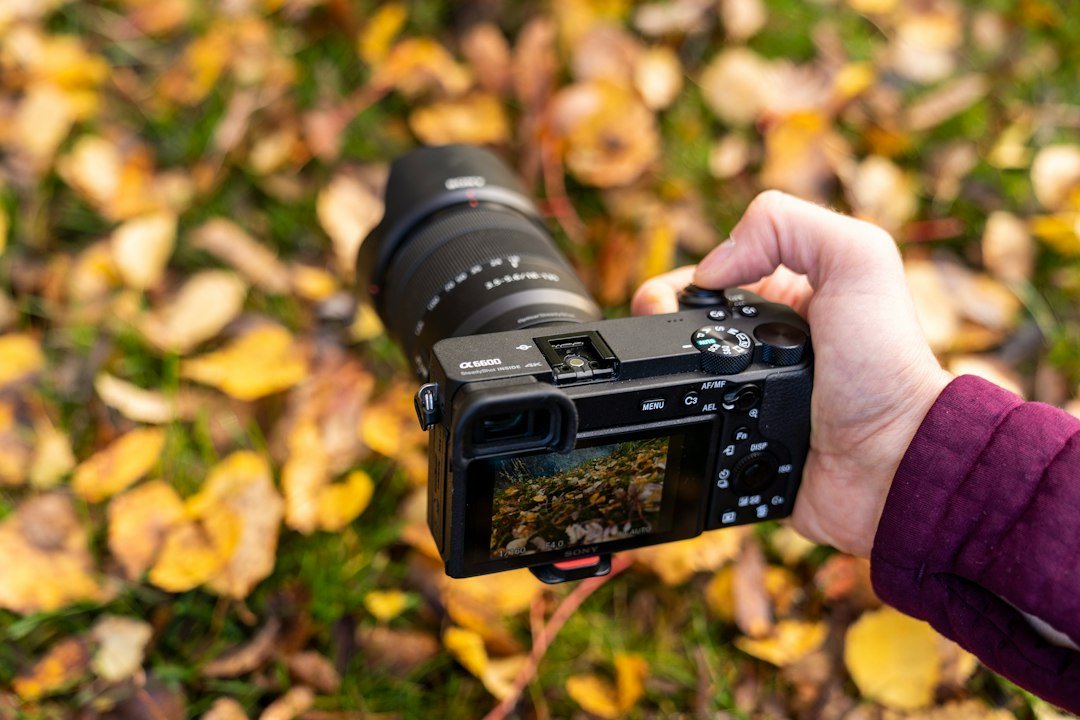
Sigma and Tamron now offer four fast standard zoom lenses for APS-C mirrorless cameras. The contenders are the Sigma 17-40mm f/1.8, the Sigma 18-50mm f/2.8, the Tamron 16-50mm f/2.8, and the Tamron 17-70mm f/2.8. Each one asks you to weigh the same trade-offs: wide maximum aperture against zoom range, physical size, and image stabilization. Because a standard zoom usually stays mounted on the camera, its character shows up in a large share of your photographs, which makes this choice more consequential than it might first appear.
Why Standard Zooms Matter So Much
Most photographers reach for a standard zoom first, and many never remove it. It covers everyday subjects, from street scenes and family moments to landscapes and casual portraits. That constant use means any compromise in sharpness, focusing behavior, weight, or handling gets repeated across hundreds of frames. A lens that feels a little too large on Monday can become the reason you leave the camera at home on Saturday.
Understanding the Crop Factor
APS-C sensors have a crop factor of roughly 1.5x, so focal lengths behave differently than they do on full-frame bodies. The Sigma 17-40mm f/1.8 approximates a field of view of about 25.5-60mm in full-frame terms. The Tamron 16-50mm f/2.8 roughly corresponds to 24-75mm, while the Sigma 18-50mm f/2.8 lands near 27-75mm. The Tamron 17-70mm f/2.8 stretches furthest, approximating 25.5-105mm. Reading these numbers together helps clarify what each lens is designed to do.
Aperture Versus Reach
The Sigma 17-40mm f/1.8 is the specialist of this group. Its f/1.8 maximum aperture gathers far more light than any f/2.8 zoom, which benefits low-light shooting and produces shallower depth of field for subject separation. The price is a shorter zoom range that stops well short of telephoto territory. The three f/2.8 models offer a more conventional balance. They provide enough light for most indoor and dusk situations while delivering a usable amount of flexibility.
Reach, Size, and Stabilization
The Tamron 17-70mm f/2.8 is the most versatile option on paper, pairing a fast constant aperture with the longest reach in the set. That extra range comes with added bulk and weight. The Sigma 18-50mm f/2.8 and Tamron 16-50mm f/2.8 are more compact, which suits travel and smaller mirrorless bodies. Stabilization is another variable to weigh, since it determines how sharp handheld shots remain at slower shutter speeds, particularly as focal length increases.
Choosing the Right Lens for Your Work
There is no single winner here, only the lens that matches your priorities. If low light and background separation drive your work, the Sigma 17-40mm f/1.8 deserves a close look despite its limited reach. If you want one lens that covers the widest practical range at a constant f/2.8, the Tamron 17-70mm f/2.8 is the logical choice. Photographers who value a lighter kit should compare the two 50mm-class f/2.8 zooms, where size and handling often matter as much as optical performance.
Before buying, consider how you actually shoot. Count how often you need the telephoto end, how much weight you will carry, and whether you rely on stabilization or faster shutter speeds. The best standard zoom is the one you will happily keep on your camera for years.