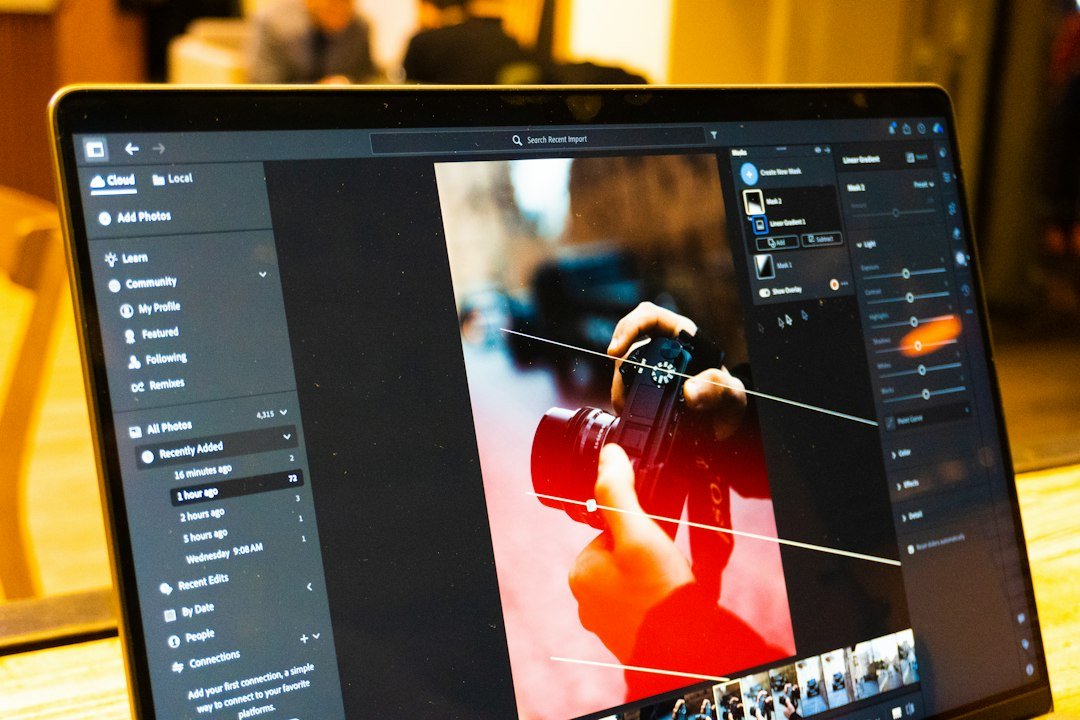
Adobe has announced that it will stop providing complimentary Creative Cloud subscriptions to photographers who sell their images through Adobe Stock. In place of the free access, contributors will receive discounted pricing. For a generation of working shooters who have relied on Adobe’s software as a foundation for their workflows, the shift marks a noticeable change in how the company rewards its stock partners.
What Is Changing
Under the previous arrangement, photographers who contributed work to Adobe Stock could access Creative Cloud applications at no cost, a benefit that helped offset the modest per-download royalties typical of the microstock market. Adobe is now replacing that perk with reduced subscription rates. The source material available at the time of writing does not spell out the size of the discounts, the eligibility rules, or the exact date the change takes effect, so contributors should watch for official communications from Adobe before adjusting their budgets.
Why It Matters to Contributors
Creative Cloud is far more than a single program. Photographers typically depend on Photoshop for retouching, Lightroom for cataloguing and raw processing, and a range of companion tools for compositing, vector graphics, and video. A free subscription could represent several hundred dollars in annual value for a full-time professional, so its removal is significant even when a discount softens the blow. For hobbyists and part-time contributors who earn only modest sums from stock sales, the change may be more keenly felt, since the free software was often a larger part of the arrangement than the royalties themselves.
The Broader Stock Landscape
Stock photography has been under pressure for years. Subscription-based licensing, the flood of inexpensive imagery, and the growing use of generative AI tools have all squeezed the earnings of contributors. Platforms that once competed primarily on library size now face questions about fair compensation and long-term sustainability. Adobe’s decision reflects a wider industry effort to balance the economics of a large marketplace against the needs of the creators who fill it.
Adobe has also been expanding its own generative AI capabilities across its product line, which adds another layer to the conversation. Many contributors are wary of how AI-generated content might compete with human-shot images, and some are questioning whether their work is being used to train systems that could eventually undercut their livelihoods. Changes to contributor benefits inevitably draw attention to these tensions.
What Photographers Should Do Now
Contributors who rely on Adobe Stock should take a few practical steps. Review your current earnings and software costs to estimate how the new discounted pricing will affect your annual budget. Compare subscription plans across Creative Cloud’s available tiers to see which offers the best value for your actual workflow. It is also worth diversifying your sales channels, since a single marketplace’s terms can change with little warning. Finally, keep an eye on Adobe’s official contributor announcements for details on eligibility, discount levels, and timing.
Adobe’s move is a reminder that the relationship between platforms and photographers is always evolving. Whether the discounts prove generous enough to keep contributors engaged remains to be seen, but the change will likely prompt many creators to reassess where and how they choose to sell their work.