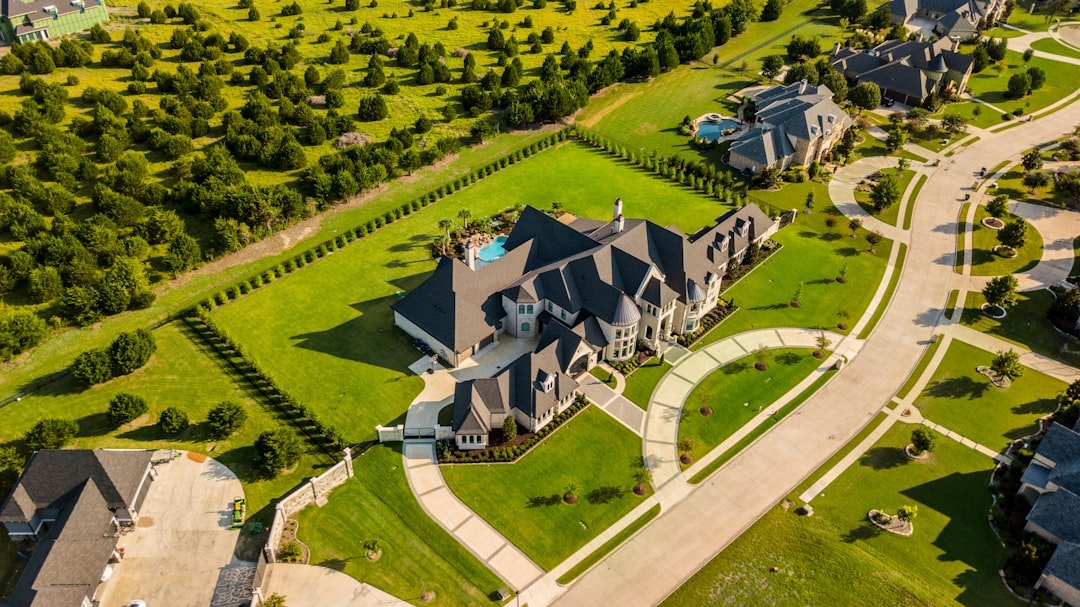
Incident Raises Questions About Drone Safety in Real Estate Sector
An Alabama-based real estate photographer recently experienced a troubling incident when his unmanned aerial vehicle (UAV) was deliberately destroyed mid-operation. The commercial drone, which the professional was utilizing to capture elevated property imagery, fell victim to gunfire, prompting an ongoing investigation with local law enforcement.
The photographer, who specializes in aerial property documentation—a critical service in modern real estate marketing—is actively collaborating with authorities to track down the individual responsible for the attack. This incident underscores growing tensions surrounding drone operations and airspace usage in residential and rural areas across the United States.
Growing Concerns in Professional Aerial Photography
For real estate professionals who depend on drone technology to deliver comprehensive property portfolios, such incidents represent a genuine occupational hazard. Aerial imaging has become an industry standard, allowing agents and developers to showcase properties from perspectives previously impossible without helicopter rentals. The accessibility and cost-effectiveness of modern commercial drones have democratized this service, making it a routine component of property marketing strategies.
However, the incident highlights persistent misunderstandings about legitimate drone operations. Many property owners and residents remain uninformed about legal commercial drone usage, FAA regulations, and the distinction between recreational and professional aerial photography. These knowledge gaps can occasionally result in confrontational situations when UAVs operate over properties.
Legal and Regulatory Framework
Commercial real estate photographers operating in the United States must maintain Part 107 Remote Pilot certifications and adhere to Federal Aviation Administration guidelines. These regulations specify operational altitudes, distance requirements, and airspace restrictions designed to protect public safety. Professional operators typically conduct preliminary surveys, obtain necessary permissions, and maintain detailed flight logs to ensure compliance.
Deliberately targeting and destroying an aircraft—including unmanned systems—constitutes a federal offense under multiple statutes. The FAA takes such incidents seriously, treating them as potential threats to airspace safety and professional aviation operations.
Implications for the Industry
As drone technology becomes increasingly integral to real estate marketing and property documentation, incidents like this raise important questions about operator safety and public education. Industry associations and licensing bodies continue advocating for clearer communication between aerial professionals and communities where they operate.
The photographer’s willingness to work with investigators sends an important message to the broader real estate photography community: incidents of this nature warrant formal reporting and legal action. This approach helps establish accountability and discourages similar behavior in the future.
For real estate professionals considering or already utilizing drone services, this story serves as a reminder of the importance of transparent communication with property owners and neighbors, proper certification, and adherence to all applicable regulations. These practices not only protect operators legally but also foster community understanding of legitimate commercial drone operations.