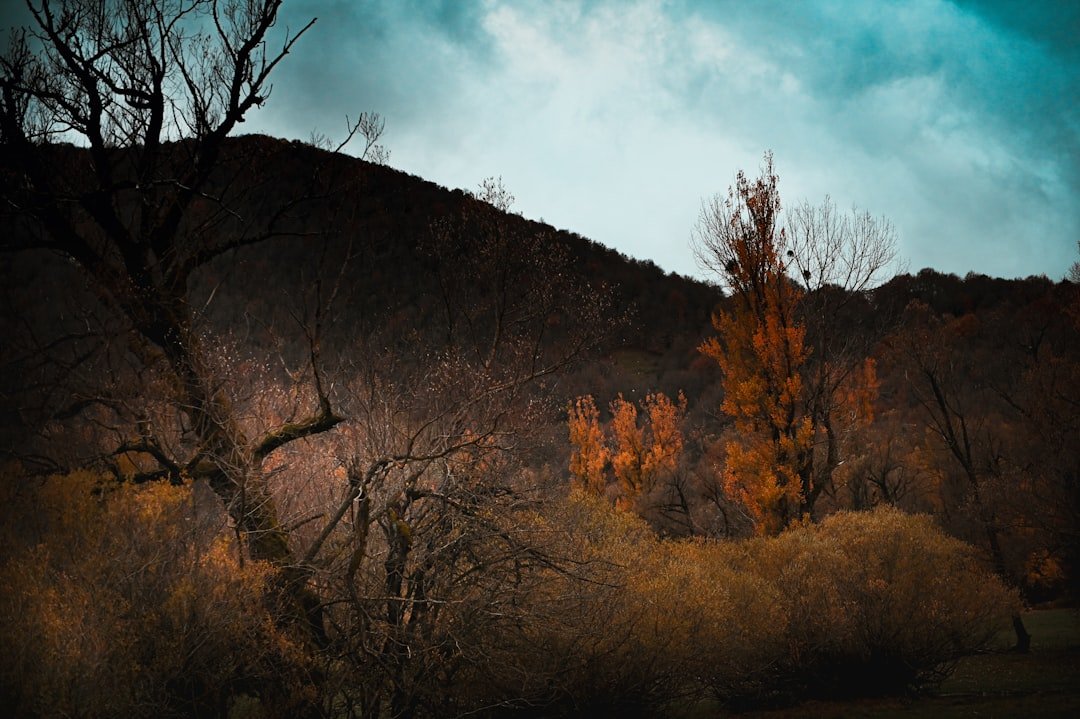
Smart Presets with Intelligent Masking: A Game-Changer for Landscape Photography
Many photographers working in Lightroom Classic remain unaware of one of the most powerful efficiency gains available to them: preset bundles that incorporate artificial intelligence-driven masking capabilities. This feature represents a significant leap forward for anyone invested in streamlining their post-processing pipeline, particularly those specializing in landscape and outdoor photography.
The ability to apply sophisticated masks automatically across multiple images can dramatically reduce the time spent on repetitive editing tasks. Rather than manually creating and adjusting masks for each individual photograph, these intelligent presets intelligently analyze image content and generate contextual masks that adapt to each unique composition. The time savings accumulate quickly when processing large batches of shots, often resulting in substantial productivity gains measured in hours rather than minutes.
Why Autumn is the Perfect Season to Optimize Your Workflow
Seasonal photography, particularly during fall foliage season, presents photographers with unique temporal constraints. The window for capturing peak color saturation, optimal lighting conditions, and less crowded outdoor locations remains fleeting. Golden leaves, crisp atmospheric conditions, and serene natural settings create compelling photographic opportunities that vanish within weeks.
During this limited seasonal window, maximizing field time becomes critically important. Every moment spent hunched over a computer adjusting individual masks represents precious shooting time lost in the field. By implementing AI-assisted masking presets, photographers can compress their editing timelines significantly, allowing them to capture substantially more frames while conditions remain favorable.
Understanding AI-Driven Masking Technology
Intelligent masking technology analyzes photographs to identify key compositional elements—skies, foliage, foregrounds, and other scene components—then automatically generates masks tailored to each image’s specific characteristics. Unlike static presets that apply uniform adjustments regardless of image content, these adaptive systems recognize and respond to variations in composition, lighting, and subject matter.
This approach maintains consistency across image series while respecting each photograph’s individual qualities. Landscape shooters benefit particularly, as the technology efficiently handles complex elements like dappled tree canopies, varied sky gradations, and intricate terrain features that would otherwise demand meticulous manual masking.
Implementation Best Practices
Successfully integrating these presets into your workflow requires strategic approach. Rather than applying presets blindly, savvy editors use them as sophisticated starting points, fine-tuning results to match their artistic vision. This hybrid methodology combines automation’s efficiency with creative control, yielding polished results without excessive manual intervention.
Building a customized preset library tailored to your specific photographic style and recurring subjects amplifies productivity gains. Over seasons, you’ll develop confidence in preset reliability, potentially reducing necessary adjustments even further.
The Broader Impact on Photography Practice
Beyond seasonal considerations, this technological advancement reflects broader industry evolution toward intelligent post-processing tools. As digital photography democratizes and competition intensifies, workflow efficiency increasingly influences professional viability. Photographers who leverage available automation technologies gain competitive advantage—completing client projects faster, accepting more assignments, and maintaining higher quality standards through consistent application of refined editing principles.
The intersection of artificial intelligence and creative work continues expanding, enabling photographers to concentrate on what matters most: composition, timing, and visual storytelling, rather than repetitive technical adjustments.