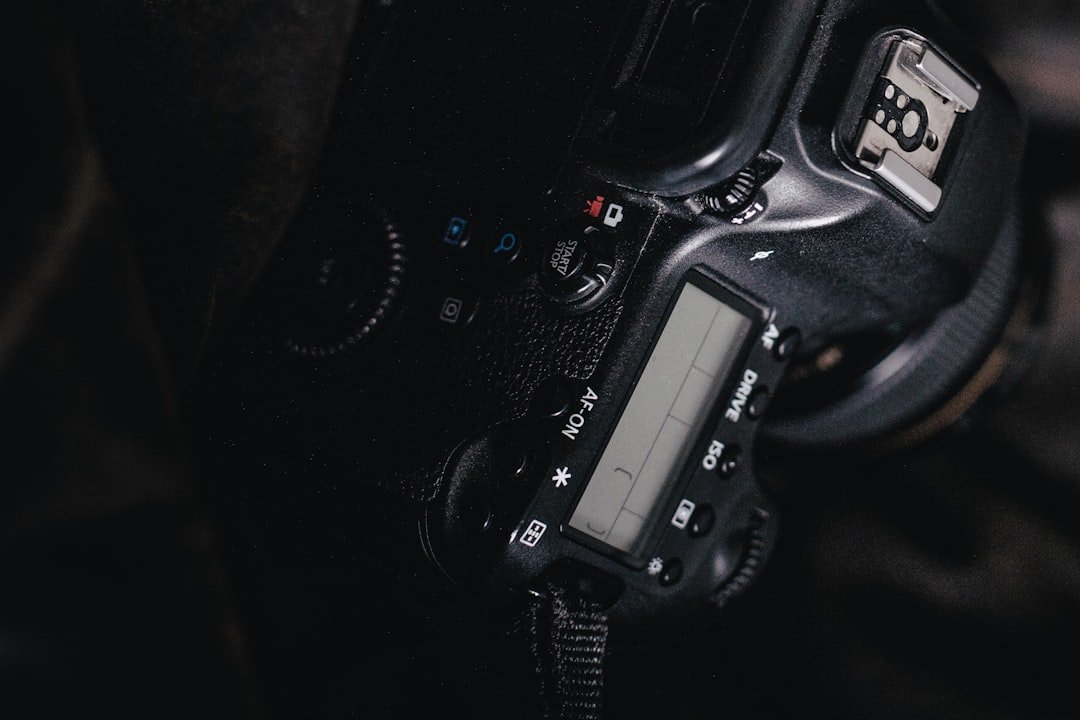
A New Era of Performance Meets Versatility
The photography landscape has undergone a dramatic transformation. What once seemed physically impossible—achieving 67 megapixels of resolution while maintaining a rapid 30 frames-per-second capture rate—now represents the reality of modern full-frame camera engineering. This technological convergence marks a significant milestone for both professional and serious enthusiast photographers seeking comprehensive imaging solutions.
For decades, the industry operated under strict compromises. Photographers had to make difficult decisions: pursue ultimate resolution at the cost of frame rate, or sacrifice pixel density for speed. The emergence of this new breed of high-resolution, fast-capture systems fundamentally challenges that paradigm, offering a singular platform capable of excelling across multiple photographic disciplines.
Versatility Without Compromise
What truly distinguishes this advancement is the elimination of the traditional tool-switching workflow. Portrait photographers benefit from the sensor’s exceptional detail rendering and tonal gradation. Landscape practitioners gain unprecedented resolution for producing gallery-quality large-format prints. Wildlife specialists acquire the frame-rate performance necessary for capturing fleeting moments and behavioral sequences.
This consolidation represents more than mere specification stacking. The engineering required to balance these competing demands—maintaining thermal stability under sustained high-speed shooting, optimizing buffer management, and preserving autofocus reliability—demonstrates considerable technical sophistication. The full-frame format ensures compatibility with an extensive ecosystem of established lenses while maintaining superior low-light performance and shallow depth-of-field capabilities that specialty cameras cannot match.
Real-World Implications
For working professionals, the implications are substantial. Reducing camera system complexity streamlines logistics, lightens equipment loads, and simplifies post-production workflows. The unified platform encourages more intuitive shooting techniques since photographers need not mentally context-switch between different bodies with varying ergonomics and behavioral quirks.
The 67-megapixel specification provides substantial cropping latitude without significant quality degradation, effectively offering multiple focal lengths from a single lens. This flexibility proves invaluable during unpredictable shoots where repositioning proves difficult or impossible. Meanwhile, the 30fps capability ensures consistent performance during demanding sequences, whether documenting fast-action sports, birds in flight, or rapid facial expressions during portraiture sessions.
Looking Forward
This technological milestone signals the industry’s continued trajectory toward specialized tools becoming obsolete. As processing power increases, sensor technology matures, and thermal management improves, the artificial boundaries separating different camera categories continue dissolving. The lines between studio, field, and action cameras grow increasingly blurred.
Extended real-world testing confirms that this convergence device delivers on its ambitious promises. It represents a genuine paradigm shift—not through revolutionary innovation but through meticulous engineering refinement that finally resolves the resolution-versus-speed equation. For photographers tired of compromise, this full-frame option merits serious consideration.
The era of accepting fundamental tradeoffs appears to be concluding. Professional imaging has entered a new chapter where comprehensive capability and practical performance coexist within a single, accessible platform.