A Rare Convergence of Timing, Precision, and Athletic Daring
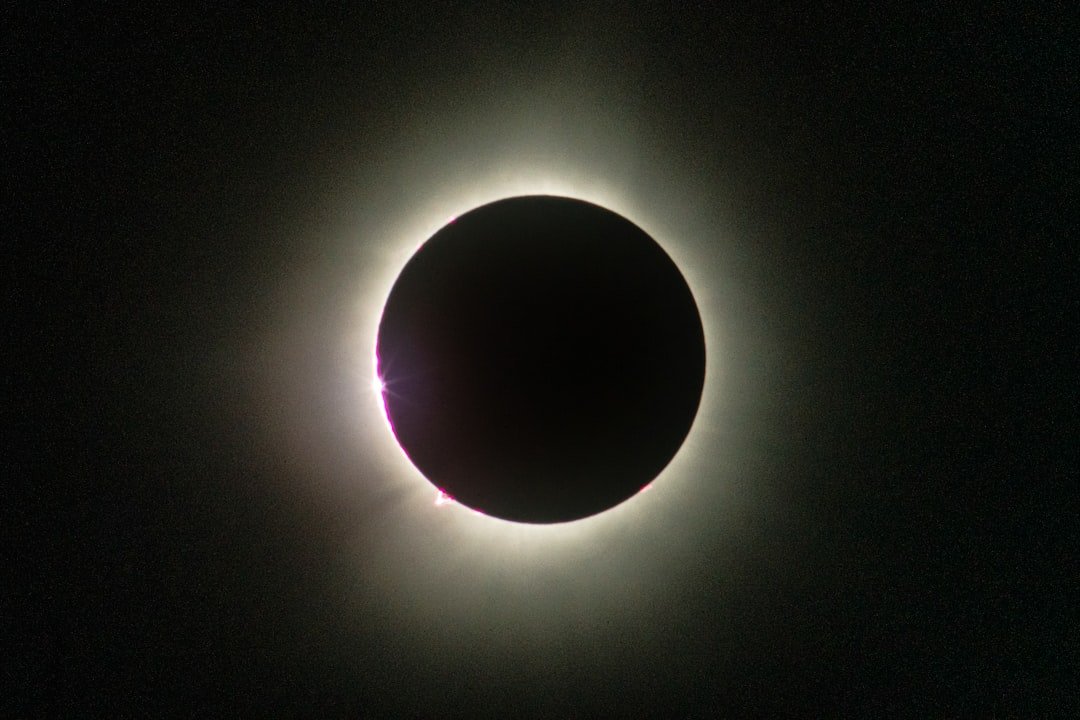
Capturing a wingsuit athlete soaring through the shadow of a total solar eclipse represents one of photography’s most ambitious undertakings. In a detailed conversation with PetaPixel, acclaimed photographer Noah Wetzel reveals the meticulous planning and technical expertise required to execute this extraordinary aerial shoot alongside Red Bull Air Force’s Mike Brewer.
Nine Months of Strategic Preparation
The project demanded extensive pre-production work spanning three-quarters of a year. Wetzel and his team meticulously planned every variable, from weather patterns and celestial mechanics to aircraft positioning and equipment logistics. The destination ultimately selected was Spain, a location offering optimal visibility conditions for the eclipse event and suitable airspace for the specialized aerial maneuvers required.
The Technical Arsenal
For this unprecedented assignment, Wetzel assembled professional-grade imaging equipment capable of handling the extreme conditions inherent to eclipse photography. The Canon EOS R5 II served as the primary capture device, paired with a formidable 600mm telephoto lens—essential for achieving sharp detail across the vast distance separating photographer from subject. Given the extreme distance involved, Wetzel positioned himself nearly a mile away from the flight path, requiring sophisticated remote triggering mechanisms and flash systems to properly expose the scene.
The inclusion of remotely activated lighting equipment underscores the complexity of the undertaking. Traditional ambient light becomes unreliable during totality, necessitating carefully calibrated artificial illumination to render both the aircraft and the eclipse corona with precise detail.
The Mathematics of Impossibility
Perhaps most challenging was the computational framework governing the entire operation. With only 84 seconds of totality available, every millisecond held significance. Calculations encompassed aircraft velocity, eclipse progression, optimal focus acquisition, shutter timing, and flash synchronization—an intricate equation where minute miscalculations could result in complete failure.
This represents the reality facing cutting-edge professional photographers: modern assignments increasingly demand expertise extending far beyond traditional camera operation into realms of physics, mathematics, and engineering.
A Once-in-a-Generation Achievement
The successful completion of this project underscores photography’s evolution into a multidisciplinary field requiring diverse skill sets. Wetzel’s accomplishment demonstrates that capturing genuinely unprecedented imagery demands not merely quality equipment, but profound technical knowledge, meticulous planning, and collaborative partnership with specialized athletes willing to push boundaries.
Such high-stakes ventures reflect the cutting edge of commercial and editorial photography, where traditional constraints are systematically dismantled through innovation and determination. The resulting imagery stands as testimony to human ingenuity and the boundless creative possibilities when photographers, athletes, and technology converge.