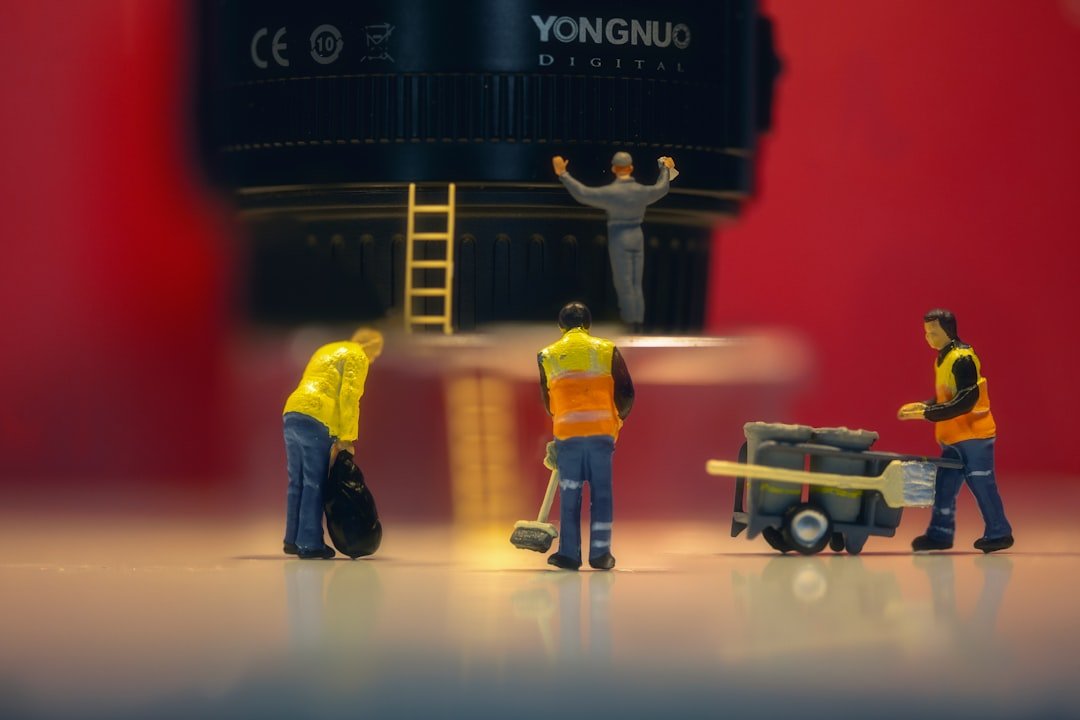
Yongnuo’s $135 Full-Frame Lens Challenges Conventional Wisdom
The optical industry has long operated under a presumption that exceptional quality demands substantial investment. However, the Yongnuo 50mm f/1.8S DF is challenging this established narrative, delivering full-frame autofocus capabilities at a price point that seems almost counterintuitive in today’s market.
For photographers evaluating entry-level or supplementary glass, discovering professional-grade performance at such an accessible price represents a genuine paradigm shift. The 50mm focal length has remained a cornerstone of photographic practice for decades, prized by professionals and enthusiasts alike for its natural perspective and versatility across multiple genres—from portraiture to street photography.
Examining the Value Proposition
At just $135, one might reasonably expect significant compromises in construction quality, optical performance, or autofocus reliability. The Yongnuo offering, however, demonstrates that manufacturers can engineer solutions that sidestep many traditional trade-offs associated with budget-conscious pricing. This lens proves particularly compelling for photographers transitioning from cropped-sensor systems or those seeking to expand their optical toolkit without depleting their equipment budgets.
The autofocus functionality deserves particular mention. Contemporary consumers expect responsive, reliable focusing mechanisms regardless of price tier. The inclusion of dependable AF performance at this investment level reflects advancing manufacturing standards and competitive market pressures that ultimately benefit imaging professionals.
Market Context and Photography Accessibility
The democratization of camera equipment has fundamentally transformed professional photography accessibility. Budget-conscious implementations no longer necessitate accepting mediocre results—a development that resonates throughout the creative community. Independent cinematographers, documentary specialists, and emerging professionals can now assemble capable systems without significant financial burden.
Yongnuo’s positioning in the optical marketplace continues their track record of offering technically competent solutions for photographers prioritizing functional excellence over brand prestige. This strategic approach has cultivated substantial loyalty among cost-conscious practitioners who refuse to compromise on image quality.
Practical Implications for Photographers
The implications extend beyond mere affordability. A 50mm lens represents fundamental photographic equipment—mastering this focal length develops compositional discipline and artistic vision. Beginning photographers can now acquire authentic learning tools without financial anxiety, potentially accelerating their technical development.
For established professionals, maintaining supplementary lenses simplifies backup equipment planning and enables experimentation without substantial capital commitment. The psychological freedom accompanying lower-cost glass cannot be underestimated; photographers often produce their most creative work when liberated from protecting expensive equipment.
The Broader Industry Perspective
Optical manufacturers increasingly recognize that volume sales through accessible pricing generate greater cumulative revenue than premium positioning alone. This market evolution benefits the broader photography community, accelerating technological advancement and quality improvements throughout product categories.
The Yongnuo 50mm f/1.8S DF exemplifies how contemporary engineering can deliver authentic optical and mechanical performance without excessive expenditure. Whether supplementing existing collections or establishing foundational equipment kits, this lens warrants serious consideration from photographers prioritizing practical value and measurable performance.
In an industry occasionally characterized by equipment obsession and brand fetishization, solutions like this redirect focus toward what genuinely matters: capturing compelling imagery. The question is no longer whether budget glass proves viable—it demonstrably does—but rather which specific implementations deliver the performance photographers require.