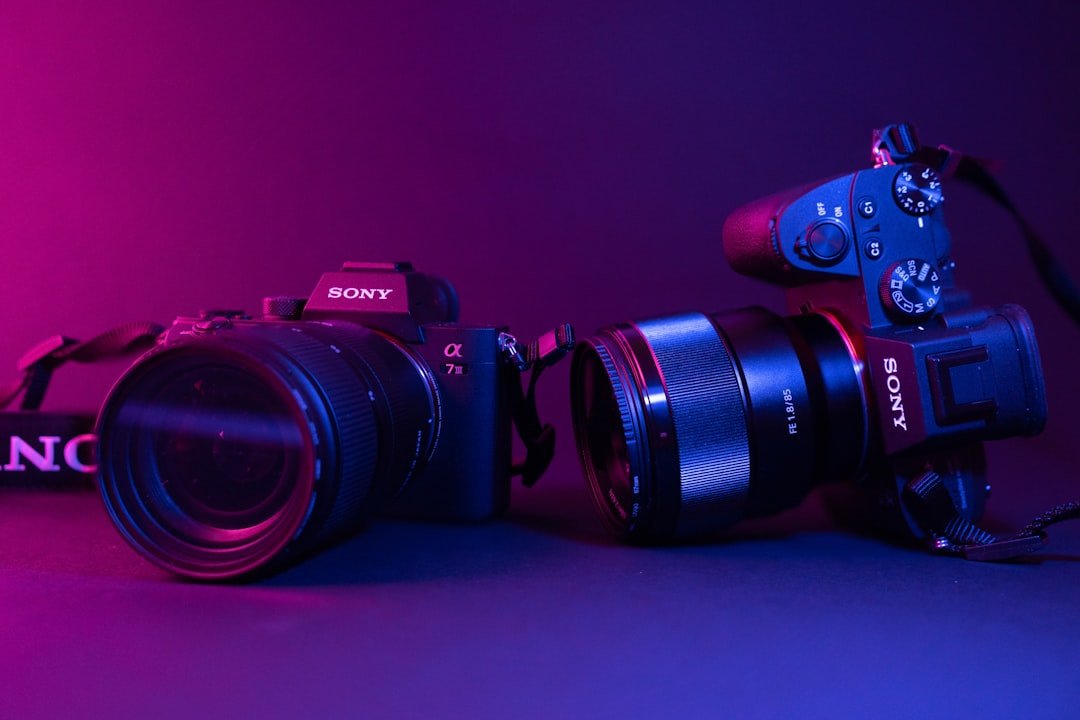
Navigating Sony’s Elite Mirrorless Lineup
The decision between Sony’s a7R VI and a1 II represents one of contemporary photography’s most nuanced equipment evaluations. Both cameras occupy the premium segment of Sony’s full-frame mirrorless ecosystem, yet each brings distinct strengths that appeal to different professional workflows and creative priorities.
These two powerhouses share considerable overlap in their foundational architecture, making side-by-side comparisons genuinely challenging. The technical specifications alone won’t definitively answer which system deserves your investment, as their capabilities intersect across numerous categories while maintaining meaningful differentiation in others.
Understanding the Positioning Strategy
Sony has strategically developed these models to serve complementary rather than directly competitive purposes. The a7R VI emphasizes ultra-high resolution capture with its 61-megapixel sensor, targeting commercial photographers, landscape specialists, and fine art practitioners who prioritize maximum detail extraction and printing versatility. The a1 II, meanwhile, prioritizes speed and processing capability, delivering superior frame rates and computational photography features that benefit sports shooters, wildlife photographers, and fast-paced documentary work.
Where Technical Specifications Diverge
Beyond their impressive similarities, meaningful distinctions emerge when examining specialized capabilities. The a7R VI’s sensor architecture provides unmatched resolving power for studio work and large-format output, while the a1 II’s advanced autofocus algorithms and rapid sequential capture demonstrate Sony’s commitment to action photography excellence.
Both cameras incorporate cutting-edge full-frame imaging sensors with substantial pixel counts, but their optimization trajectories differ meaningfully. The a7R VI prioritizes dynamic range and color information density, whereas the a1 II emphasizes computational processing speed and subject tracking sophistication.
Practical Considerations for Your Workflow
Real-world performance depends heavily on your specific photographic discipline. Commercial studios, architectural photographers, and fine art practitioners will discover the a7R VI’s strengths particularly compelling for detailed work requiring maximum information capture. Conversely, event photographers, sports specialists, and multimedia creators will appreciate the a1 II’s accelerated performance characteristics and advanced subject recognition features.
The ecosystems supporting each model have matured considerably, with extensive third-party lens compatibility and accessory support enhancing their respective value propositions. Both cameras integrate seamlessly with Sony’s growing portfolio of G Master optics and professional accessories.
Making Your Investment Decision
Rather than seeking a universal “better” camera, approach this comparison by mapping your photographic priorities against each system’s strengths. Resolution requirements, burst capacity needs, autofocus performance expectations, and video capabilities should guide your evaluation process.
The investment in either flagship represents a significant commitment, warranting thorough consideration of your current and anticipated future projects. Renting or hands-on testing opportunities can provide invaluable perspective before making your final determination, allowing you to experience each system’s operational philosophy and ergonomic design firsthand.