The Digital Paradox: Legacy and Likes in Modern Photography
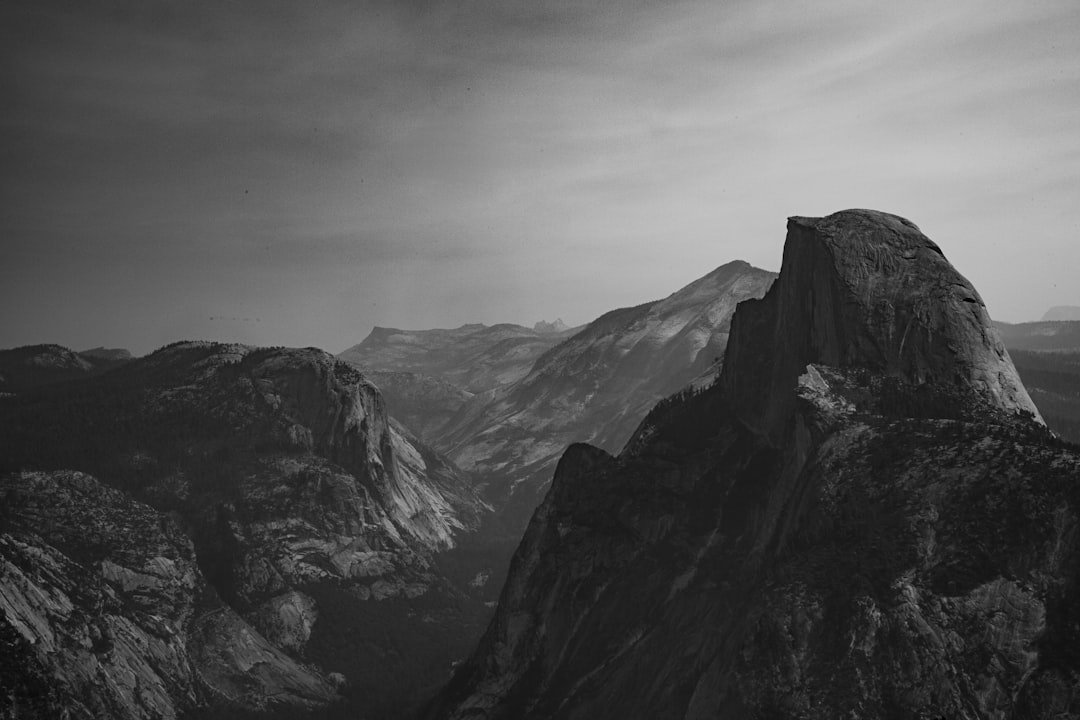
Imagine stripping away the credentials, accolades, and historical significance from one of photography’s most revered masters. Picture them launching a contemporary social media presence from absolute zero—no followers, no recognition, no institutional backing. The question becomes provocative: would their seminal works, like the iconic Half Dome composition that defined American landscape photography, garner substantial engagement metrics on today’s image-sharing platforms?
This thought experiment reveals a fundamental tension within contemporary photographic culture. We find ourselves navigating the intersection between algorithmic popularity and genuine artistic merit, a space where traditional hierarchies of aesthetic value collide with democratized digital distribution systems.
Understanding the Cultural Shift
The photographic establishment of the mid-twentieth century operated within entirely different parameters than the platforms that dominate image consumption today. Classical landscape photography emphasized technical mastery, compositional precision, and philosophical depth—qualities that demanded contemplation and study. These works lived in museums, galleries, and carefully curated publications where audiences approached them with intentional reverence.
Contemporary social platforms, conversely, operate on velocity and instantaneous emotional response. The algorithmic machinery rewards novelty, accessibility, and rapid viewer engagement. A photograph must communicate its impact within milliseconds of appearing in a user’s feed, competing against thousands of daily submissions for fractional attention spans.
The Metrics vs. Mastery Question
This raises an uncomfortable inquiry for working photographers: should we calibrate our artistic decisions toward engagement optimization? The engagement metrics that platforms provide—likes, shares, saves, comments—create quantifiable feedback systems that traditional photography rarely offered. Yet these numerical validators may measure something entirely different from photographic excellence.
Landscape photography that prioritizes technical virtuosity and subtle tonal gradation might underperform alongside more visually bombastic imagery optimized for thumbnail clarity. High-contrast compositions, vibrant color saturations, and immediately recognizable subjects tend to perform disproportionately well in algorithmically-mediated environments.
Separating Signal from Noise
The implications extend beyond mere ego gratification. Professional photographers increasingly depend on social platforms for portfolio visibility, client acquisition, and career sustainability. When algorithmic preference diverges from critical acclaim, emerging photographers face genuine pressure to compromise their artistic vision.
Yet this scenario isn’t entirely unprecedented. Every medium transition in photographic history—from platinum prints to gelatin silver, from darkroom chemistry to digital processing—presented similar disruptions. The fundamental question persists: does popularity indicate quality, or merely cultural resonance at a particular moment?
Finding Authenticity in the Algorithm
Rather than viewing social media engagement as the definitive arbitration of photographic merit, experienced professionals increasingly recognize these platforms as tools with specific purposes and limitations. They facilitate connection, community building, and commercial opportunity—valuable functions that shouldn’t dictate aesthetic principles.
The most compelling contemporary photographers often employ a bifurcated approach: maintaining authentic artistic practice while strategically engaging with platform dynamics. This requires understanding algorithmic preferences without surrendering core creative values.
The enduring legacy of photography’s classical masters suggests that substantive artistic work eventually finds its audience, though perhaps not through the mechanisms that dominate any single moment. The question worth asking isn’t whether Adams’ masterpiece would achieve instant virality, but rather how we cultivate genuine photographic literacy within an attention-economy ecosystem.