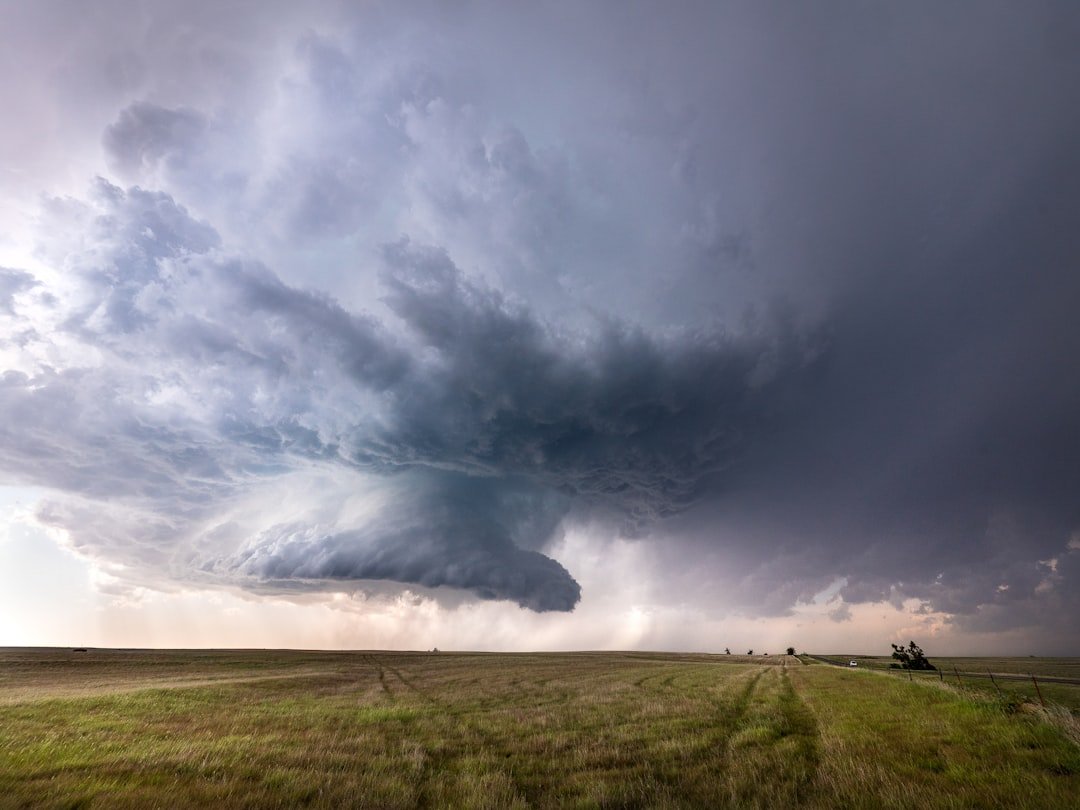
Revolutionary Unmanned Aircraft Document Severe Weather from Within
In an ambitious convergence of meteorological science and aerial imaging technology, a dedicated research collective has achieved what many considered beyond the realm of possibility: successfully deploying unmanned aerial vehicles directly into the turbulent cores of active tornadoes. The initiative, formally designated the OTUS Project—an acronym representing Observations of Tornadoes by UAV Systems—has now documented more than a dozen successful drone insertions into rotating vortices, marking a watershed moment in severe weather documentation.
The most recent milestone occurred in June, when the team accomplished a historic feat by broadcasting live footage of an unmanned aircraft penetrating an EF3-classification tornado. This achievement represents not merely a technical accomplishment, but a paradigm shift in how meteorologists can gather real-time atmospheric data from within the most violent weather phenomena on Earth.
Pushing the Boundaries of Storm Documentation
The capabilities of modern drone technology have fundamentally transformed severe weather research. Where traditional methods relied on ground-based instruments and satellite imagery, these unmanned systems provide unprecedented granular data collection from positions previously considered too hazardous for any observation platform. The imagery and telemetry gathered during these intercepts offer meteorologists direct measurements of wind velocities, pressure dynamics, and structural characteristics that were previously theoretical.
The OTUS Project represents a collaborative effort combining expertise from atmospheric science, electrical engineering, and aerial systems operation. Each successful mission demands meticulous planning, real-time decision-making, and hardware engineered to withstand extreme environmental stressors that would incapacitate conventional equipment.
Technical Challenges and Implications
Flying autonomous platforms into tornado environments demands specialized equipment design. Standard commercial drones prove inadequate for such applications, necessitating custom-built airframes, reinforced components, and sophisticated stabilization systems capable of maintaining operational functionality amid violent wind shear and rotational forces exceeding conventional safety parameters.
The visual documentation emerging from these operations extends beyond mere spectacle. The high-definition imagery provides atmospheric scientists with direct observational evidence of tornado formation processes, internal structure, and behavior patterns. This represents a significant advancement for meteorological understanding and may ultimately enhance forecasting accuracy and warning lead times for future events.
Expanding Knowledge Through Innovation
The successful completion of over twelve intercepts demonstrates that unmanned systems have matured sufficiently to operate reliably in extreme conditions. The June EF3 penetration specifically highlights how current-generation drone platforms can handle intensity levels previously thought inaccessible. Each mission generates terabytes of sensor data, contributing to the expanding knowledge base regarding tornado dynamics and behavior.
As imaging technology continues advancing and unmanned systems become increasingly sophisticated, capabilities like those demonstrated by the OTUS Project will likely become more common within the research community. The implications extend throughout meteorology, emergency management, and climate science, where improved observational capabilities translate directly into better preparedness and response strategies.
This endeavor exemplifies how contemporary technological innovation empowers scientists to investigate natural phenomena with unprecedented directness, fundamentally altering our relationship with extreme weather documentation and atmospheric research.