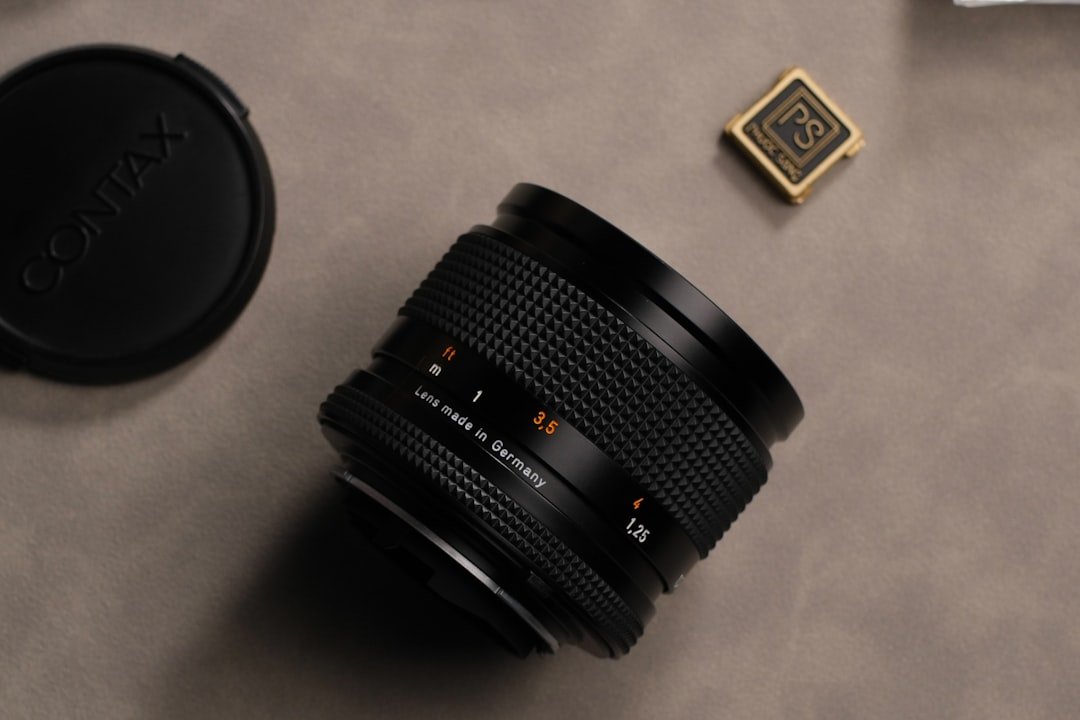
The resurgence of interest in premium film cameras has created considerable buzz within the photography community, and few models have captured collectors’ and enthusiasts’ attention quite like the Contax G2. After spotting a pristine example on the KEH Camera marketplace, I decided to investigate whether this rangefinder’s celebrated reputation truly merits the current market enthusiasm or if we’re witnessing another case of nostalgic overvaluation.
A Camera That Earns Its Acclaim
The Contax G2 represents a significant achievement in 35mm rangefinder engineering. Released in the mid-1990s as an evolution of the original G1, this Japanese-German collaboration combined Carl Zeiss optics with Kyocera’s precision manufacturing. The result is a camera that continues to impress contemporary shooters with its responsiveness, build quality, and optical performance.
What makes this particular instrument noteworthy is its sophisticated autofocus system, a rarity among professional-grade rangefinders of its era. Rather than relying on traditional manual focusing techniques, the G2 employs an infrared focusing mechanism that proves remarkably reliable across various shooting conditions. This technological sophistication wasn’t gimmicky—it genuinely enhanced the camera’s usability for journalists, travel photographers, and hybrid practitioners working between digital and film formats.
Understanding the Current Market Interest
The uptick in Contax G2 valuations reflects broader trends within analog photography’s current trajectory. As digital imaging has matured and become commodified, photographers increasingly seek the tactile engagement and aesthetic qualities that film offers. The G2 occupies a unique position in this landscape: it bridges mechanical tradition with thoughtful electronic integration, appealing to both purists and pragmatists.
The camera’s Carl Zeiss Planar and Distagon lens options deliver exceptional optical characteristics. These aren’t simply adequate optics—they’re genuinely competitive with premium contemporary digital lenses in terms of rendering quality, color rendition, and optical correction. For photographers prioritizing image quality over digital convenience, this distinction matters considerably.
Practical Performance in the Field
Beyond specifications, the G2 excels through thoughtful ergonomic design. The compact form factor doesn’t compromise accessibility to critical functions. The viewfinder presents a bright, unobstructed field of view with convenient frameline options. Shutter response feels immediate and satisfying, while the mechanical-electronic integration operates intuitively rather than creating operational friction.
The autofocus system, despite initial skepticism from mechanical-purist circles, demonstrates genuine dependability. It doesn’t create the hunting behavior common in early digital systems, and manual focus override remains readily accessible when artistic control demands it.
Verdict: The Hype Has Foundation
After extensive evaluation, the enthusiast consensus surrounding the Contax G2 proves justified. This camera represents competent engineering applied to genuine photographic needs. It’s not perfect—no camera is—but its combination of optical excellence, responsive handling, and reliable operation creates a compelling package for serious practitioners.
The secondary market premium reflects legitimate appeal rather than speculative excess. For photographers approaching the analog renaissance seriously, locating a well-maintained G2 represents a legitimate investment in an instrument capable of delivering professional results consistently. The continuing conversation surrounding this camera isn’t merely fashionable nostalgia; it represents genuine recognition of a camera that performs exceptionally well by standards contemporary and historical.