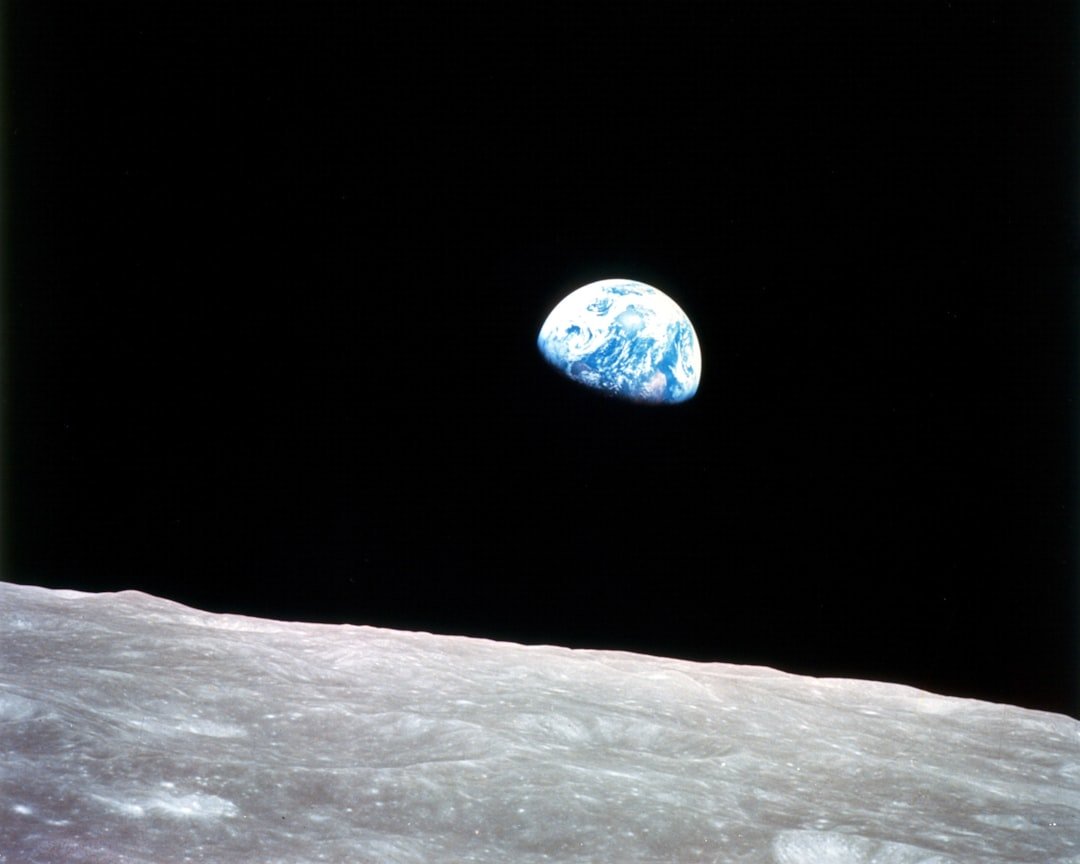
A Pivotal Moment in Space Photography History
Six decades have elapsed since an unmanned spacecraft achieved what would become one of the most iconic photographic moments in human history: capturing our planet suspended against the cosmic void. This groundbreaking image, secured through analog film technology aboard a robotic probe, fundamentally altered humanity’s perspective on our place in the universe and established new benchmarks for space-based imaging.
The Technical Achievement Behind the Shot
The capture of this seminal photograph represented a remarkable confluence of engineering precision, celestial mechanics, and photographic expertise. Operating at vast distances from Earth, the autonomous spacecraft was equipped with film-based camera systems—the cutting-edge imaging technology of that era. Unlike modern digital sensors, these analog instruments required meticulous calibration to contend with the challenging lighting conditions present in the void of space, where Earth appeared as a delicate sphere against the infinite darkness.
The photograph itself demonstrated exceptional technical mastery. The composition, lighting balance, and exposure were calibrated to render fine detail across Earth’s atmospheric layers, cloud formations, and continental masses. The film stock selected for this mission had to withstand extreme temperature fluctuations and radiation exposure while maintaining color fidelity and contrast—a formidable technical challenge by contemporary standards.
Modern Recreation and Contemporary Significance
Earlier in the current year, astronauts aboard the Artemis II mission undertook a poignant homage to this historic photograph by recreating the composition using modern imaging capabilities. This endeavor served dual purposes: it provided a tangible connection to space exploration’s pioneering era while showcasing the dramatic technological evolution in capture systems over the past six decades. The modern recreation employed sophisticated digital imaging technology, illustrating how computational photography and advanced sensor design have transformed our ability to document Earth from space.
Implications for Space Photography
The original earthrise photograph established crucial precedents for all subsequent space imaging missions. It demonstrated that space-based platforms could deliver compelling visual documentation of unprecedented scientific and cultural significance. The photograph transcended its technical specifications to become a cultural artifact—a symbol of planetary unity and environmental consciousness that resonated across generations.
For photography professionals and imaging engineers, this historic image remains instructive. It exemplifies how thoughtful composition, technical precision, and artistic vision converge to create visually compelling documentation. The robotic spacecraft’s achievement proved that compelling imagery need not depend on human presence; rather, well-engineered systems operating under rigorous parameters could produce imagery of profound impact.
Legacy and Enduring Relevance
Six decades after its original capture, this photograph continues to influence how we conceptualize space imagery and our relationship with planetary documentation. Contemporary space agencies, commercial imaging firms, and visual artists draw inspiration from this foundational work. The photograph serves as a reminder that groundbreaking visual documentation often emerges from ambitious technological endeavors and meticulous planning rather than chance circumstance.
The recent Artemis II recreation affirms that this image’s significance transcends historical curiosity—it remains perpetually relevant to our ongoing exploration of space and our evolving understanding of Earth’s place within the cosmos.