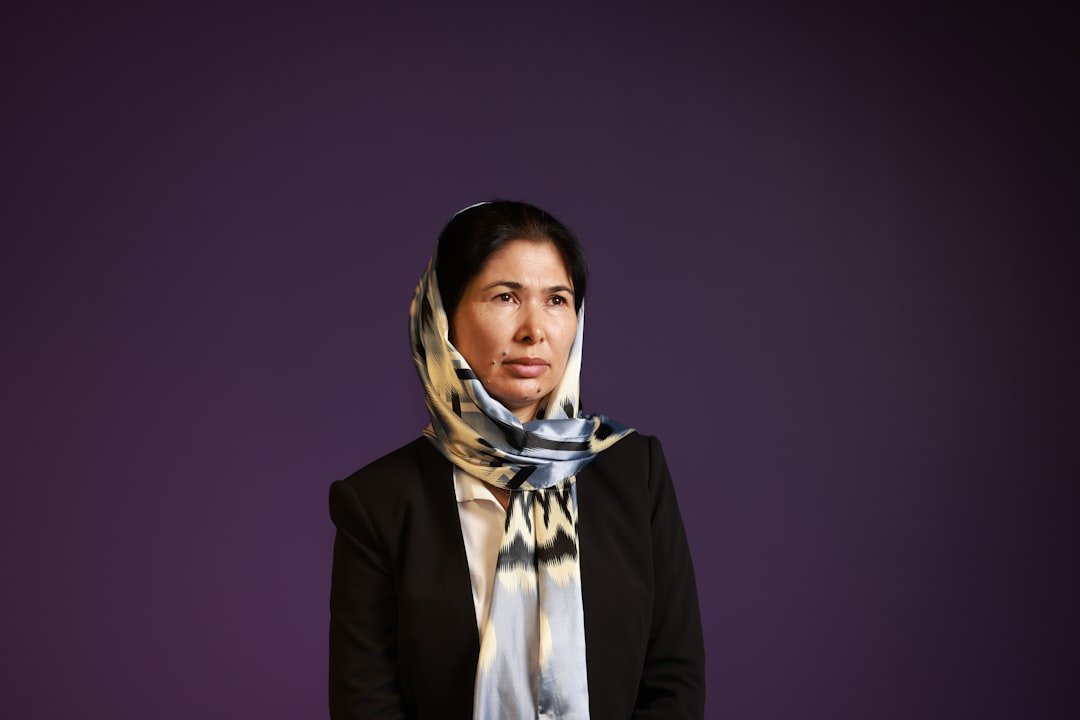
Politician Pushes Back Against Allegations of Synthetic Image Manipulation
Following her successful bid for a municipal council position in the Netherlands, a newly elected official has firmly rejected suggestions that her campaign portrait underwent artificial intelligence enhancement or digital manipulation. The assertion has sparked renewed conversations about image authenticity standards in contemporary political communications and the intersection of emerging technology with public representation.
The controversy emerged as heightened scrutiny toward AI-assisted image processing continues to reshape discussions about electoral transparency and candidate presentation. In an era where sophisticated computational tools can seamlessly modify facial features, skin texture, lighting conditions, and overall aesthetic qualities, distinguishing between naturally captured portraits and algorithmically enhanced versions has become increasingly challenging for the general public.
The Growing Concern About Synthetic Media in Politics
The incident reflects broader industry anxieties within professional photography circles regarding how generative technologies are reshaping public expectations of candidate imagery. Traditional portrait photographers have long adhered to established ethical frameworks governing retouching—typically limiting adjustments to basic refinements like blemish removal, minor tonal balancing, and color correction—while preserving the fundamental character and authenticity of their subjects.
Contemporary AI algorithms operate within entirely different parameters, capable of fundamentally transforming facial geometry, age appearance, complexion uniformity, and even subtle expressions with imperceptible transitions. These capabilities have prompted discussions among industry bodies about establishing clearer guidelines for political and official portraiture.
Political Portrait Standards Under Examination
The Dutch official’s denial underscores an emerging credibility challenge for elected representatives navigating voter expectations about visual authenticity. Campaigns traditionally relied on professional studio photography to convey competence and approachability, but the introduction of accessible AI enhancement tools has introduced doubt regarding whether presented images represent genuine appearance or idealized computational interpretations.
Electoral regulations across various jurisdictions remain largely silent regarding synthetic media usage in candidate materials, representing a significant gap in governance frameworks. Some photography organizations and media associations have begun drafting voluntary standards recommending transparency when substantive image modifications occur, though enforcement mechanisms remain underdeveloped.
Broader Implications for Visual Communication
This situation exemplifies the intersection between technological capability and institutional accountability. Professional standards organizations emphasizing photographic integrity suggest that political communications should establish baseline expectations distinguishing between standard professional retouching and algorithmically-generated enhancement, providing voters with confidence in the authenticity of candidate presentations.
The incident has reignited discussions about digital literacy, media literacy education, and the responsibility both creators and platforms bear regarding synthetic content disclosure. As voters increasingly encounter AI-modified imagery across social platforms and campaign materials, verification mechanisms become essential for maintaining institutional trust.
Moving forward, the photography industry and political communications specialists may need to collaborate on establishing clearer protocols that balance the legitimate professional refinement practices with transparent disclosure of any computational enhancements, ensuring that electoral processes maintain integrity while acknowledging modern photographic standards.