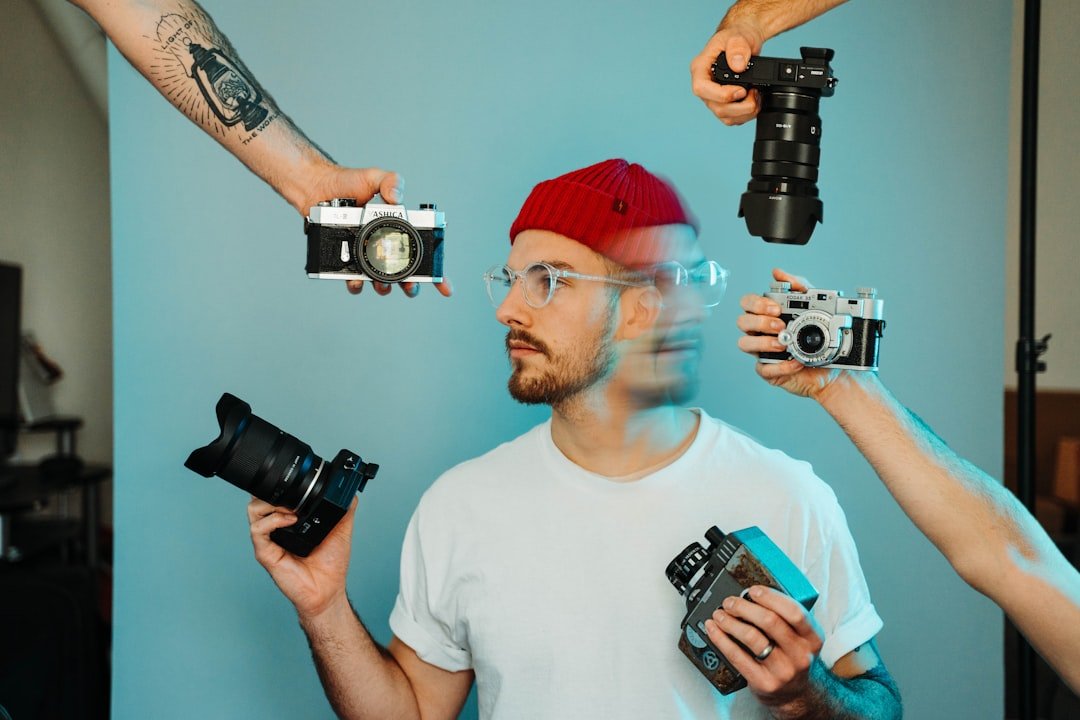
Navigating Today’s Fragmented Camera Market
The photography equipment landscape in 2026 presents both unprecedented opportunity and considerable confusion for aspiring photographers making their first meaningful investment. The market has fractured into competing philosophies and price points, creating a decision-making environment that challenges even experienced enthusiasts.
Content creators across YouTube platforms champion full-frame mirrorless systems as the gold standard. Social media communities rally behind specific manufacturers like Fujifilm for their distinctive color science and ergonomic designs. Meanwhile, compact camera technology has experienced a genuine renaissance, attracting professionals and hobbyists alike. Retro-inspired designs outsell premium professional bodies at retail counters. Camera retailers naturally prioritize inventory movement over customer education, often steering shoppers toward whichever equipment needs clearance.
Reframing the Camera Purchase Decision
The fundamental problem with conventional camera shopping advice is that it addresses the wrong underlying question. Enthusiasts typically ask, “Which specific camera model should I purchase?” This approach focuses on features, megapixel counts, and competitive specifications rather than personal creative development.
A more productive question reframes the entire purchase process: “Which camera will genuinely sustain my engagement with photography while supporting skill development?” This distinction matters profoundly because equipment selection should serve your learning trajectory, not distract from it.
Why Equipment Longevity Matters
Successful photographers don’t abandon their tools after initial enthusiasm wanes. They develop deep familiarity with their camera’s operational logic, mastering its menu systems, button layouts, and performance characteristics across diverse shooting scenarios. This mastery requires extended hands-on experience—months, often years—with the same equipment.
A camera that frustrates you with poor ergonomics or unintuitive controls will discourage regular use. Conversely, equipment that feels natural in your hands and responds intuitively to your creative intentions becomes an extension of your vision rather than an obstacle to expression.
Essential Considerations Beyond Specifications
When evaluating potential first cameras, prioritize tactile comfort and operational workflow alongside technical metrics. Handle multiple models in controlled environments. Review actual menu navigation experiences rather than relying solely on spec sheets. Consider the availability of rental options that allow extended field testing before commitment.
Lens ecosystem maturity and long-term affordability deserve serious consideration. A system with abundant used glass and third-party options provides greater financial flexibility and creative range than an orphaned platform, regardless of current body appeal.
Community support infrastructure—active forums, tutorial ecosystems, and repair accessibility—significantly influence your long-term success and satisfaction with any equipment choice.
Moving Forward
The investment in photography equipment represents both financial and temporal commitment. Your first serious camera should facilitate growth and encourage consistent practice, not merely impress peers or satisfy internet communities. When you prioritize sustainable engagement over trending specifications, the selection process becomes clearer, and your photographic journey can genuinely flourish.