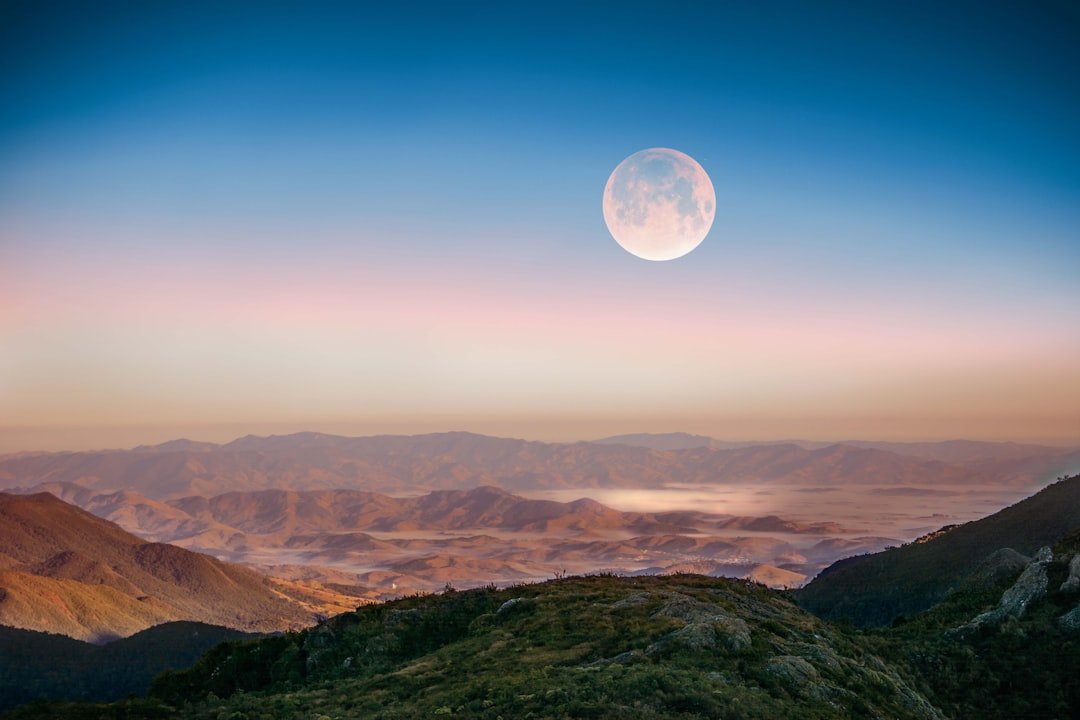
Ethical Concerns Rise as Gallery Monetizes Machine-Learning Reinterpretation of Iconic Landscape
A prominent Manhattan-based gallery recently sparked significant controversy within the photography community by offering an artificial intelligence-generated interpretation of one of photography’s most celebrated compositions. The piece in question represents a computational reimagining of Ansel Adams’ seminal work “Moonrise Over Hernandez,” created through neural network technology rather than traditional photographic methodology.
The exhibition proceeded without seeking approval from the Adams family trust, which maintains stewardship over the legendary photographer’s extensive archive and intellectual property rights. This oversight has ignited substantive discussions about artistic ethics, copyright protection, and the evolving boundaries between homage and infringement in the digital age.
The Intersection of Legacy and Innovation
Ansel Adams’ “Moonrise Over Hernandez” stands as one of the most recognized photographs in art history, captured in 1941 near the New Mexico hamlet that inspired its title. The image represents the pinnacle of Adams’ technical mastery—demonstrating his zone system methodology and commitment to tonal range precision. Its cultural significance transcends mere aesthetics; it represents a specific moment when Adams deployed his distinctive vision and technical expertise to create something irreplaceable.
The unauthorized reinterpretation introduces fundamental questions about creative ownership and the responsible application of generative technologies in visual arts. While technological advancement has always influenced photographic practice—from chemical innovations to digital processing—the distinction between tools that enhance an artist’s vision and systems that autonomously recreate artistic identity presents unprecedented challenges.
Commercial Implications and Legal Frameworks
The gallery’s decision to commercialize this AI-generated derivative raises concerns about how emerging technologies intersect with established intellectual property law. The Adams estate has successfully protected the photographer’s body of work for decades, maintaining rigorous standards regarding reproduction, licensing, and exhibition rights. This incident underscores gaps between contemporary artistic practices and existing legal protections designed for traditional creative mediums.
Professional photographers increasingly confront questions about how their imagery might be appropriated through machine learning systems trained on vast databases of existing work. The incident highlights anxieties throughout the creative industries regarding consent, attribution, and compensation when algorithmic systems reference or reconstruct recognizable artistic styles.
Broader Implications for Contemporary Photography
This controversy occurs within a larger conversation about technological disruption in artistic fields. The photography community remains divided regarding generative AI’s role—some practitioners view these tools as legitimate creative instruments, while others perceive them as threats to photographic integrity and artistic autonomy. The unauthorized exhibition represents a particularly egregious intersection of these concerns, combining algorithmic generation with commercial exploitation without compensation or permission.
Industry observers suggest this situation demonstrates why clearer protocols and ethical guidelines must emerge around AI applications in visual arts. Many institutions are developing frameworks addressing attribution, consent, and the distinction between transformative use and derivative reproduction.
The Danziger Gallery incident serves as a cautionary reminder that technological capability doesn’t automatically justify application, particularly when established artists’ legacies and intellectual property protections remain at stake. Moving forward, galleries and institutions will likely face increased pressure to demonstrate thoughtful stewardship when engaging with algorithmically-generated content, especially work that references iconic photographers’ established bodies of work.