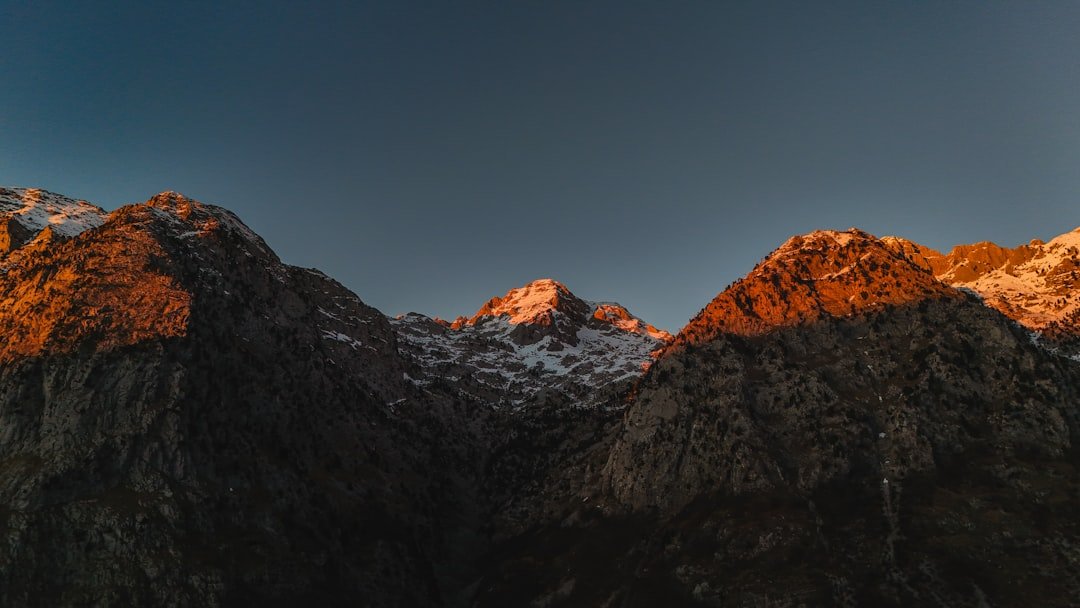
Illumination: The Foundation of Compelling Landscape Imagery
The relationship between your subject matter and available light represents perhaps the most critical variable in landscape photography. Whether you’re working under brilliant midday conditions or navigating the challenges of overcast skies, understanding how luminosity interacts with your scene determines whether your final image commands attention or fades into mediocrity.
Why Light Quality Matters in Environmental Photography
Professional landscape photographers recognize that light quality transcends simple brightness measurements. The angle, intensity, color temperature, and direction of light fundamentally transform how viewers perceive depth, texture, and spatial relationships within your composition. This distinction separates technically proficient images from truly memorable photographs that resonate with audiences.
Navigating Directional Light Sources
Strategic positioning relative to your light source—whether sun, moon, or artificial illumination—creates dimensional interest that flat, uniform lighting cannot achieve. Side lighting accentuates surface irregularities and geological features, while backlighting generates atmospheric separation between foreground and background elements. Understanding these directional principles allows you to transform ordinary vistas into visually compelling narratives.
Working Within Weather Constraints
Cloudy conditions present unique opportunities rather than limitations for landscape practitioners. Overcast skies function as massive diffusers, eliminating harsh shadows while providing consistent tonal values across your frame. This meteorological scenario demands different compositional approaches than clear-sky scenarios, yet experienced photographers leverage these conditions to create mood-driven imagery with exceptional tonal range.
Technical Execution and Practical Application
Beyond theoretical knowledge, successful landscape photographers develop systematic approaches to evaluating light conditions before composing their shots. This involves recognizing how atmospheric conditions, seasonal variations, and time-of-day considerations influence your ability to capture dimensionality. The deliberate practice of analyzing light relationships builds intuitive decision-making capabilities that distinguish seasoned professionals from casual practitioners.
Building Your Visual Vocabulary
Developing sensitivity to subtle illumination variations requires consistent field experience and intentional observation. By studying how established landscape photographers manipulate available light across diverse environments and weather patterns, you internalize principles that inform future creative decisions. This educational process transforms abstract concepts into embodied knowledge applied instinctively during shoots.
The mastery of photographic light represents an ongoing journey rather than a destination. Each environmental condition presents learning opportunities, and photographers who approach their practice with analytical curiosity continuously refine their visual communication skills. By prioritizing this foundational element above equipment specifications or post-processing techniques, you establish a sustainable framework for creating landscape photographs that transcend momentary interest and establish lasting visual impact.