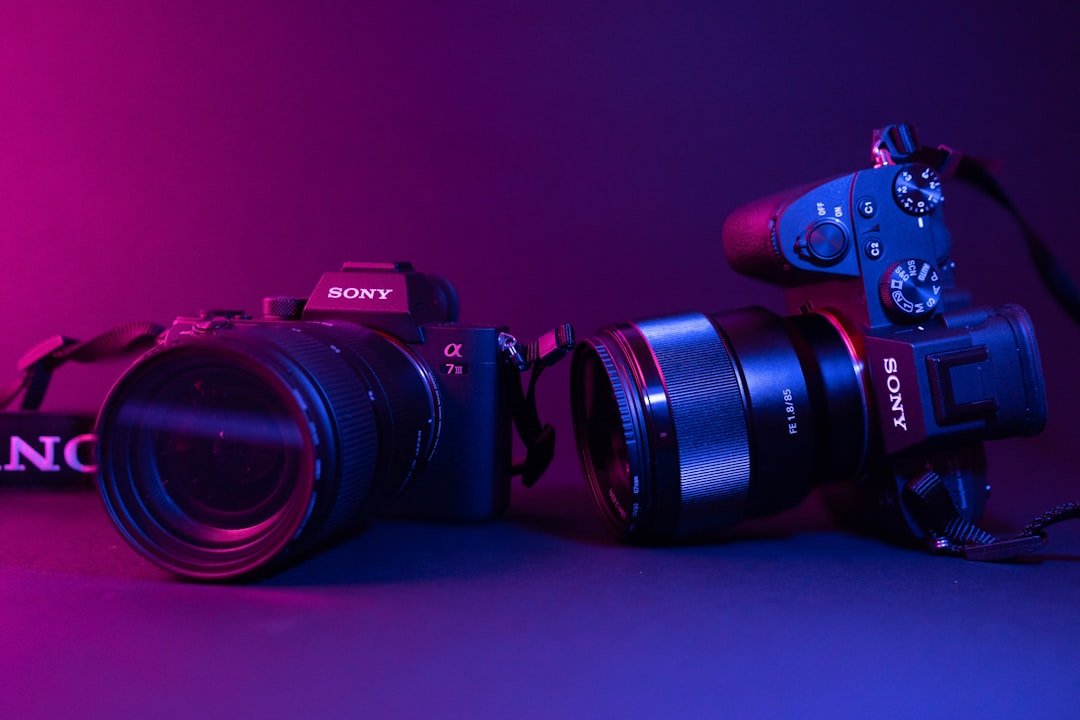
Strategic Independence: Sony’s Decision to Chart Its Own Course in Mirrorless Innovation
Recent insights from Shigeki Ishizuka, who previously held the position of vice chairman at Sony Group Corporation, have unveiled compelling details about the company’s strategic approach to developing its mirrorless camera systems. The revelations underscore Sony’s deliberate choice to pursue independent development rather than engage in collaborative ventures with established competitors in the interchangeable lens market.
In an in-depth discussion, Ishizuka disclosed that Sony received overtures from a prominent industry player seeking to establish a partnership or joint venture arrangement. However, the Japanese electronics conglomerate opted to decline the proposal, preferring instead to maintain complete autonomy over its imaging technology roadmap and product development strategy.
Understanding Sony’s Strategic Vision
This decision reflects Sony’s broader corporate philosophy regarding proprietary technology development. By maintaining full control over its mirrorless ecosystem, including sensor manufacturing, autofocus algorithms, and lens engineering, Sony has been able to differentiate its offerings in an increasingly competitive marketplace dominated by established photographic equipment manufacturers.
The company’s commitment to vertical integration has proven particularly valuable in the imaging sector. Sony’s dominance in image sensor production—a component critical to modern camera performance—provided a significant competitive advantage that likely informed the decision to decline external partnerships.
Market Context and Competitive Dynamics
Sony’s ascent in the mirrorless camera segment represents one of the most dramatic shifts in photographic equipment history. Within two decades, the company transformed from a peripheral player to a genuine market contender, eventually capturing substantial market share among professional and enthusiast photographers worldwide.
The rejection of collaboration proposals underscores management’s confidence in Sony’s proprietary capabilities and technological trajectory. Rather than sharing development costs or intellectual property through joint ventures, Sony elected to absorb full responsibility for innovation and product refinement.
Implications for the Industry
This strategic stance has reverberated throughout the photography equipment industry. Competitors have been forced to accelerate their own development timelines, innovate more aggressively, and sometimes reconsider their market positioning in response to Sony’s increasingly sophisticated product lineup.
The decision also demonstrates how large technology conglomerates with diverse revenue streams can afford to take calculated risks in specialized markets. Sony’s financial resources allowed the company to invest substantially in mirrorless technology development without the immediate pressure to generate profits that might constrain smaller, single-focus manufacturers.
Through sustained investment in research and development, strategic hiring of imaging expertise, and willingness to iterate rapidly based on customer feedback, Sony transformed its initial market entry into a leadership position that continues to influence industry standards and consumer expectations.