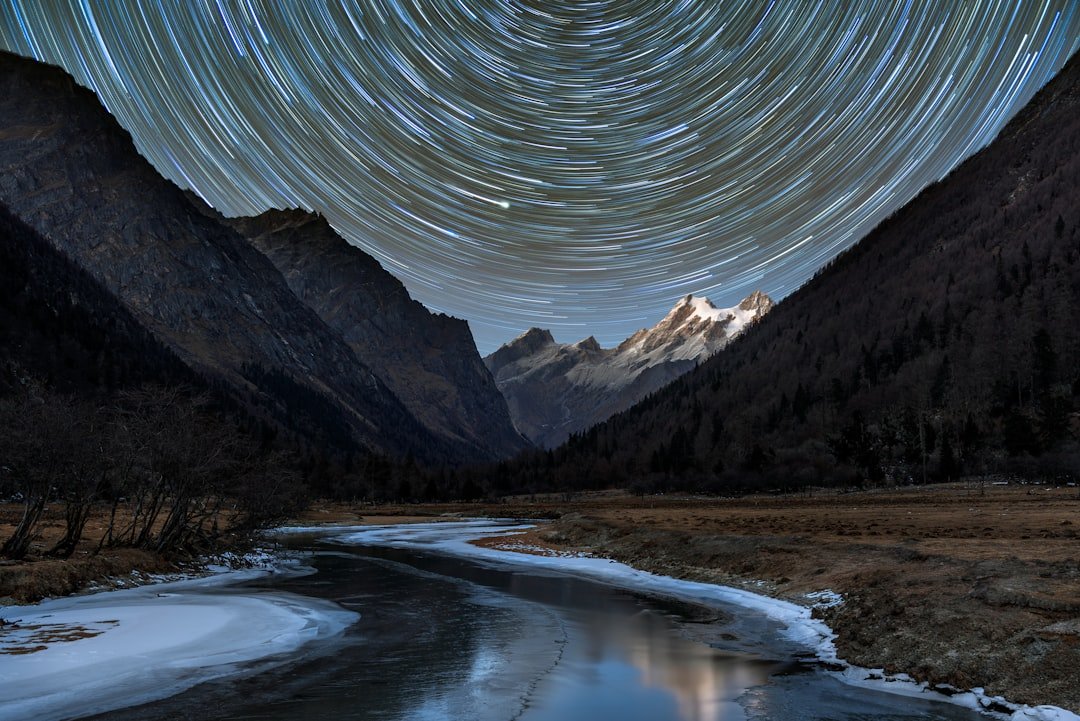
Transforming Challenging Long Exposure Images Into Luminous Masterpieces
Wide-angle landscape photography often demands the use of multiple optical filters stacked together. When photographers combine a circular polarizing filter with a neutral density filter on ultra-wide optics, they frequently encounter an unavoidable optical challenge: pronounced vignetting around the frame edges. Rather than viewing this as a limitation, understanding how to leverage post-processing techniques in Lightroom can turn this technical hurdle into an opportunity for creative enhancement.
The layering of specialized filters—designed to manage both reflections and extended shutter speeds—creates darkened corners that would typically compromise image quality. However, skilled editors recognize that modern processing tools offer elegant solutions to this problem. The key lies in approaching the correction strategically while simultaneously pursuing a final aesthetic that feels warm, open, and suffused with light.
The Art of Strategic Correction
When photographers encounter vignetting issues from their filter stack, the instinct might be to simply flatten the exposure across the frame. This approach, however, often results in images that feel technically correct but visually uninspiring—lacking dimensionality and visual interest. The more sophisticated approach involves using Lightroom’s graduated filters, local adjustment brushes, and exposure controls to selectively brighten problem areas while maintaining tonal balance throughout the composition.
The objective is creating images that possess an ethereal quality—what photographers call the high-key aesthetic. This requires careful manipulation of the midtones and highlights while preserving enough contrast to prevent the image from appearing washed out. The distinction between a genuinely luminous image and one that simply appears overexposed represents a critical skill in contemporary landscape photography.
Building Your Technical Toolkit
Developing proficiency with filter-related challenges represents an essential component of professional photography practice. The ability to manage optical constraints in post-production separates competent photographers from exceptional ones. This expertise proves particularly valuable for landscape and architectural photographers who regularly work with ultra-wide focal lengths and complex filter configurations.
Understanding light behavior, filter interactions, and post-processing capabilities allows photographers to work with confidence rather than frustration. When field conditions demand multiple optical filters, knowing that the resulting imperfections can be elegantly resolved in post-production transforms your approach to image capture. You can focus on composition and light rather than worrying about technical limitations.
Practical Application and Results
The journey from problematic wide-angle filtered capture to gallery-ready final image demonstrates why continuous skill development matters in photography. Each challenging capture presents an opportunity to refine your technical abilities and deepen your understanding of digital workflow. The resulting warm, airy aesthetic—achieved through deliberate correction and intentional enhancement—exemplifies how technical mastery serves artistic vision.
By embracing these editing techniques, photographers transform what might otherwise be disappointing captures into compelling images with distinctive character. The process requires patience, practice, and a thorough understanding of your editing software’s capabilities. The reward is the ability to work with greater creative freedom and confidence, knowing you possess the technical skills to overcome common obstacles and achieve your intended aesthetic vision.