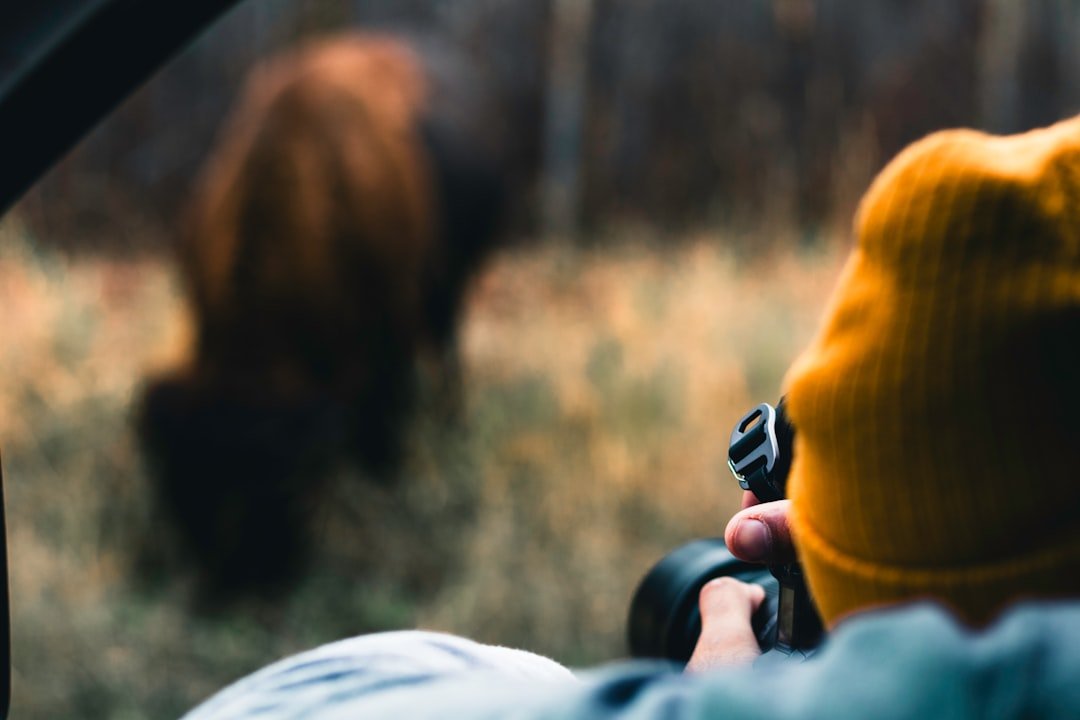
Elevating Your Wildlife Imagery Through Skilled Execution
The path to exceptional wildlife photography is frequently misunderstood as a pursuit requiring endless equipment investments. In reality, the distinction between mediocre captures and breathtaking imagery stems primarily from technical mastery and creative vision rather than camera body specifications or lens price tags.
Why Technique Trumps Equipment in the Field
Professional photographers working across diverse environments—from dense rainforests to open savannas—consistently demonstrate that compositional knowledge, timing precision, and behavioral understanding create images that resonate with viewers far more effectively than expensive gear alone. A photographer wielding fundamental skill achieves results that outpace amateur work produced with premium equipment.
The Eight Game-Changing Methodologies
Understanding animal behavior constitutes the cornerstone of compelling wildlife documentation. Patience combined with observational skills allows photographers to anticipate behavioral moments before they occur, positioning oneself optimally for the decisive moment when action unfolds naturally.
Compositional framework excellence transforms ordinary frames into gallery-quality images. Applying rule-of-thirds principles, leading lines, and negative space strategically guides viewer attention precisely where intended, creating visual narratives that engage audiences immediately.
Lighting mastery operates as perhaps the most transformative technical skill. Golden hour photography—those magical periods shortly after dawn and before dusk—provides naturally diffused, warm illumination that flatters subjects while establishing atmospheric context. Understanding how directional light sculpts form and texture dramatically improves image quality regardless of equipment specifications.
Positioning strategy determines shooting angles and perspectives. Rather than shooting from eye level, exploring varied vantage points—lower angles emphasizing subject dominance, overhead perspectives revealing environmental context—creates visual variety and prevents repetitive compositions that characterize amateur work.
Distance management develops through experience and research. Recognizing how close subjects tolerate approach without fleeing allows photographers to work with available focal lengths while capturing behavioral authenticity. This knowledge prevents the ethical violations and counterproductive stress on animals that plague inexperienced practitioners.
Focus technique refinement ensures critical sharpness where viewers expect it. Single-point autofocus calibration, understanding depth-of-field implications across varying apertures, and anticipating subject movement enables consistently tack-sharp results that communicate technical competence.
Exposure management extends beyond standard metering. Evaluating individual scenes for highlight preservation, shadow retention, and subject separation from backgrounds develops intuitive understanding of how camera sensors capture varying tonal ranges. This knowledge prevents the blown highlights and muddied shadows characteristic of automatic settings.
Patience cultivation separates accomplished wildlife photographers from casual shooters. Extended field sessions with camera ready, observing animal patterns and environmental changes, often precede breakthrough moments. This methodical approach respects subject behavior while maximizing capture opportunities.
Investment in Skill Development
The photography industry increasingly recognizes that technical skill transcends equipment hierarchies. Workshops, field mentorship, and deliberate practice—all zero-cost or minimal-investment activities—yield returns far exceeding boutique camera purchases.
Beginning immediately to refine these techniques using current equipment accelerates your progression toward distinctive, impactful wildlife imagery that attracts genuine appreciation from discerning audiences.