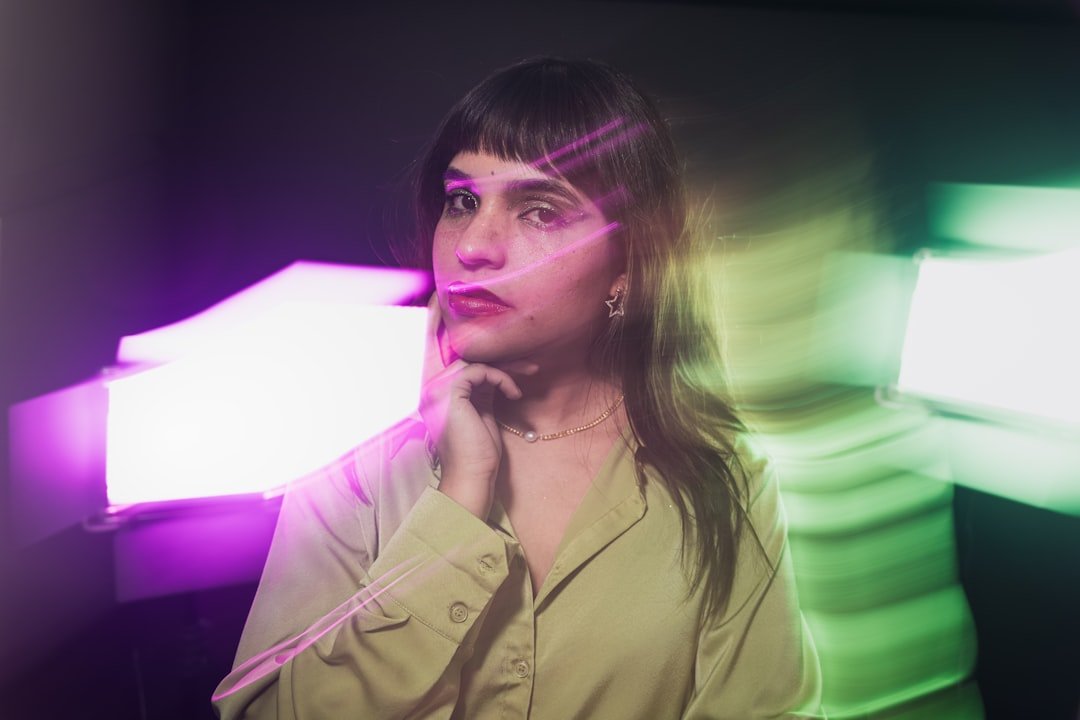
Creating Visual Harmony Through Consistent Skin Tone Processing
The ability to skillfully adjust complexion colors represents a critical differentiator between amateur portrait collections and professionally curated galleries. When photographers master this technique in Lightroom, their entire body of work demonstrates remarkable visual consistency that clients instinctively recognize and appreciate, even if they cannot articulate exactly why the images feel superior.
One of the most common challenges photographers encounter involves the disconnect between technical execution and perceived quality. A portrait might possess razor-sharp focus, optimal exposure readings, and professional composition, yet still appear visually jarring when displayed alongside other work. This incongruity frequently stems from inconsistent skin tone treatment across different images, creating a disjointed portfolio experience.
Understanding the Impact of Color Consistency
Clients evaluating portrait photography often make subconscious judgments about image quality based on how naturally rendered skin tones appear. When complexions display warm undertones in one image and cool casts in another, viewers perceive these variations as technical flaws rather than artistic choices. This phenomenon reflects how human vision evolved to detect color consistency in faces as an indicator of health and trustworthiness.
Professional portrait photographers recognize that establishing a standardized approach to skin tone correction transforms their entire workflow. Rather than treating each image as an isolated editing challenge, successful practitioners develop systematic methods for achieving uniform results across full sessions and projects.
The Strategic Importance of Post-Processing Workflow
Modern portrait photography demands that shooters view post-processing as an extension of their creative vision rather than a corrective afterthought. Lightroom’s robust color grading tools empower photographers to establish consistent baseline adjustments that preserve individual image character while maintaining cohesive overall aesthetics.
The difference between galleries that feel professionally curated and those that appear fragmented often comes down to how systematically photographers approach color harmony. Investment in refining these specific skills yields returns visible across every client deliverable, from wedding albums to corporate headshot collections.
Developing a Signature Processing Style
Many accomplished portrait photographers eventually develop distinctive approaches to skin tone treatment that become recognizable elements of their personal aesthetic. This signature style develops through deliberate practice, technical experimentation, and refinement of processing methodologies specific to Lightroom’s feature set.
Rather than applying universal settings across all skin tones, experienced editors adjust their approach based on ethnic background, lighting conditions, and individual undertone variations. This nuanced perspective produces results that appear natural and flattering rather than over-processed or obviously manipulated.
The pursuit of mastery in portrait editing ultimately enhances client satisfaction, strengthens professional reputation, and creates portfolio pieces that command appropriate pricing in competitive markets. Photographers who prioritize this foundational skill demonstrate commitment to excellence that extends throughout their entire business practice.