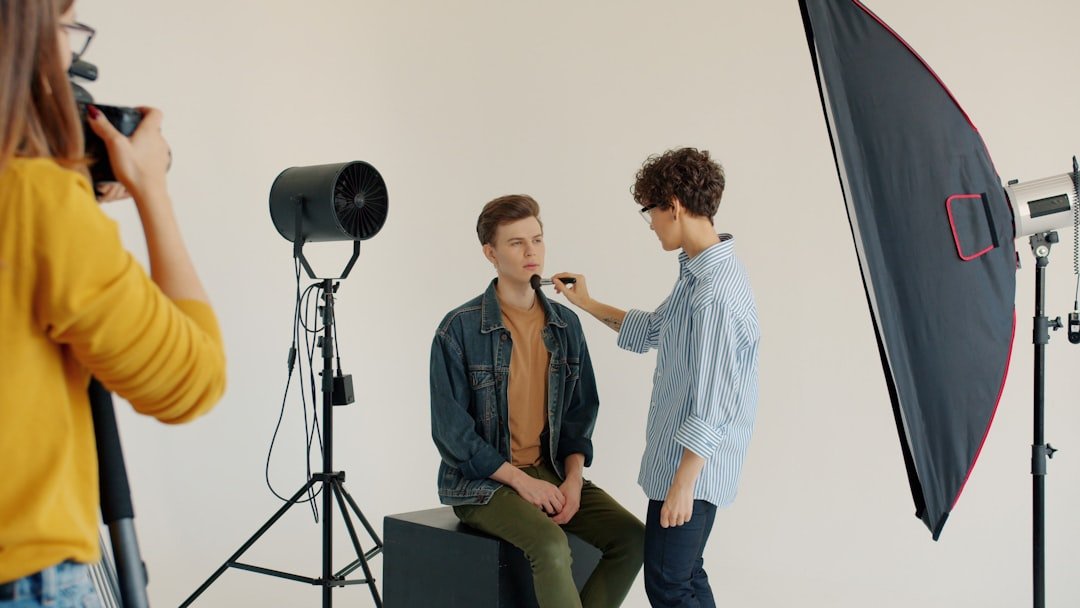
When it comes to portraiture, the manipulation of light stands as one of the most powerful tools at a photographer’s disposal—far more influential than any post-processing adjustment or digital retouching technique. The decisions you make regarding illumination during a shoot fundamentally shape how your subject will appear on camera, determining whether they present as vibrant and youthful or marked by the passage of time. Yet many photographers implement these critical choices intuitively, without consciously understanding the mechanics behind their visual outcomes.
Understanding Light’s Psychological Impact on Facial Appearance
The human face reveals its story through texture, shadow, and dimension. Professional photographers know that how light interacts with facial contours can either emphasize or minimize the signs associated with aging. This phenomenon extends beyond mere technical competency—it represents a fundamental understanding of how the eye perceives age and vitality in portraiture.
The Three Essential Lighting Decisions
Every portrait session involves three pivotal lighting choices that directly impact perceived age. First, photographers must determine the quality of light—whether to employ soft, diffused illumination or harder, more directional sources. Soft light, achieved through diffusion panels, umbrellas, or overcast conditions, minimizes skin texture visibility and reduces the prominence of lines and wrinkles. Conversely, harder light accentuates surface irregularities and facial topography, potentially emphasizing age-related characteristics.
Second comes the angle and direction of your primary light source. The positioning of your key light dramatically influences how shadows fall across facial planes. Strategic placement can illuminate features favorably while casting complementary shadows that create dimension without appearing unflattering. Certain angles inherently flatter specific facial structures while others reveal details you might prefer to downplay.
The third crucial variable involves contrast ratio and fill light management. The relationship between your brightest highlights and deepest shadows determines overall image tonality. Higher contrast ratios, created by minimal fill light, produce more dramatic imagery but can emphasize textural details and facial irregularities. Lower contrast ratios, achieved through generous fill lighting or reflectors, create a more forgiving appearance with reduced shadow intensity.
Practical Application in Professional Settings
Understanding these three elements transforms your approach to every session. A beauty or commercial assignment might demand soft, directional light with careful fill-light balancing to create luminosity and minimize perceived imperfections. Documentary or editorial work might require different considerations based on storytelling intentions.
The most accomplished portrait photographers instinctively manipulate these three variables in concert, making deliberate decisions rather than operating on autopilot. They recognize that a simple adjustment—softening light quality, repositioning a key light slightly, or adding a reflector for fill—can fundamentally alter how viewers perceive their subject’s age and vitality.
Moving Beyond Assumptions
Rather than accepting default setups or inherited techniques, contemporary photographers benefit from consciously interrogating each lighting decision. Ask yourself why you’ve positioned lights in a particular configuration, what effect you’re attempting to achieve, and whether your choices align with your creative vision for the project.
Mastering these three lighting fundamentals elevates your portraiture beyond technical competence into genuine artistic control, enabling you to craft images that present subjects exactly as you intend.