A Game-Changing Sensor Architecture
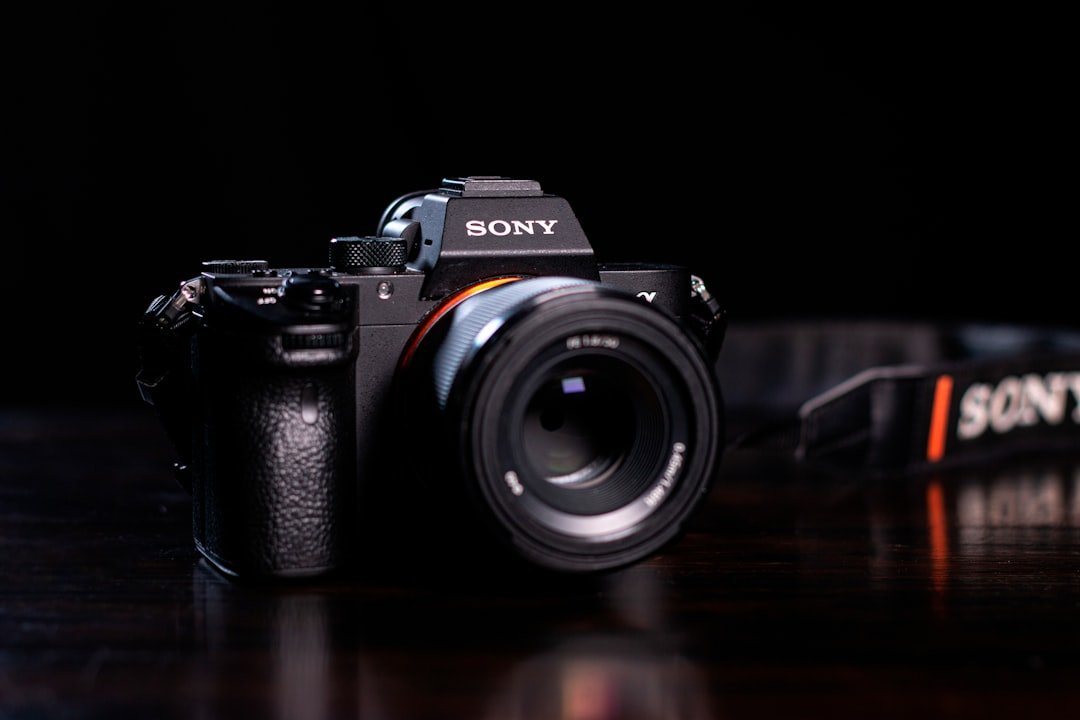
Sony has unveiled the a7R VI, a groundbreaking addition to its mirrorless lineup that fundamentally reimagines what photographers can expect from a high-resolution platform. At its core sits a revolutionary 66.8MP stacked CMOS sensor that represents a significant departure from the company’s previous engineering approach.
Rather than utilizing the second sensor layer for conventional DRAM buffering like competing designs, Sony engineers implemented a dedicated processing layer. This architectural choice enables the camera to leverage dual conversion gain technology, intelligently blending low-noise and high-capacity readout modes simultaneously. The practical benefit is substantial: photographers gain approximately 5.6 times faster sensor performance compared to the outgoing a7R V model, coupled with dramatically expanded dynamic range capabilities that extend into previously challenging lighting scenarios.
Performance Capabilities That Demand Attention
The processing improvements translate into impressive real-world shooting specifications. Electronic shutter operation reaches 30 frames per second with completely blackout-free viewfinding—a dramatic leap from the predecessor’s 100-millisecond sensor readout. Mechanical shutter operation caps at 10 frames per second, maintaining mechanical reliability for photographers who prefer traditional shooting methods.
Complementing the raw speed are intelligent buffer management features. An adjustable pre-capture system begins recording images when photographers engage autofocus or half-press the shutter release, preserving up to one second of imagery before the decisive moment. Users can fine-tune this to capture as few as one frame at 30fps, minimizing wasted card space while compensating for human reaction time—a thoughtful solution for action-oriented work.
The onboard Bionz XR2 processor brings advanced subject recognition capabilities previously exclusive to models like the a9 III. This AI-enhanced autofocus system identifies subjects from greater distances without requiring supplementary processing hardware, expanding the camera’s utility across diverse shooting disciplines.
Understanding Its True Purpose
Despite impressive burst capabilities, Sony deliberately positions this camera outside the sports-dedicated category. The manufacturer emphasizes wildlife photography applications, and our hands-on testing confirms meaningful operational differences compared to the specialized a1 II sports body. Aspiring sports photographers should recognize this distinction—performance specialization matters in competitive environments.
Enhanced Imaging Capabilities
Video specifications include 8K recording at 30 frames per second with a 1.2x crop factor, alongside 4K capture reaching 120fps. The 9.44-megapixel electronic viewfinder now supports HDR rendering, providing photographers with accurate exposure preview. Image stabilization achieves an impressive 8.5EV correction at the sensor center, with 7.0EV effectiveness toward frame edges.
Practical Considerations
The a7R VI introduces Sony’s new SA-type battery platform, which necessitates backward-compatibility decisions that may affect existing Sony users. The company mitigates this transition by including a dual-channel charger. The camera carries a $4,499 retail price point, representing a $600 increase from the a7R V’s original launch positioning.
Availability begins in June, with distribution through major retailers. This camera represents Sony’s commitment to resolving the traditional high-resolution versus high-speed performance tradeoff that has historically challenged mirrorless architecture design.