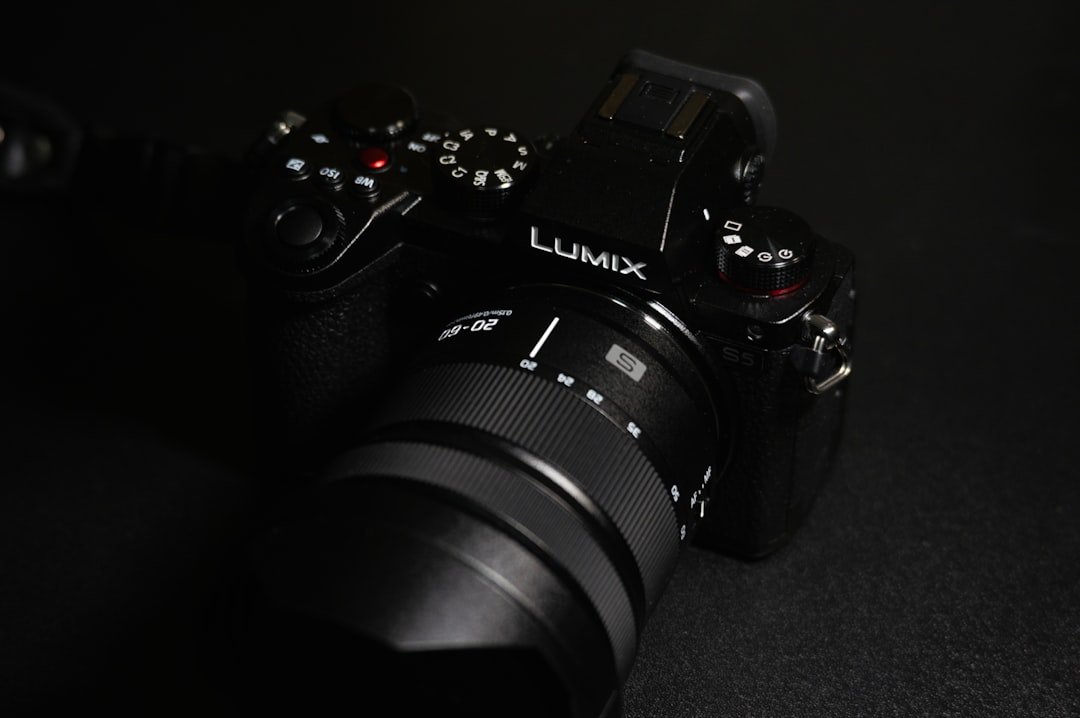
Panasonic Introduces the Lumix L10 Compact Camera
Panasonic has officially unveiled the Lumix L10, marking another significant entry into the premium compact camera segment. This latest offering represents the manufacturer’s continued commitment to delivering sophisticated imaging tools for photographers who prioritize portability without compromising on optical performance.
The L10 builds upon the legacy established by the LX100 lineup, a series that has earned considerable respect within the photography community for its thoughtful design philosophy and capable image capture capabilities. By maintaining the fixed-lens approach, Panasonic demonstrates confidence in the enduring appeal of integrated optical systems that eliminate the need for interchangeable components.
Design Philosophy and Practical Benefits
Fixed-lens compact cameras occupy a unique position in the contemporary camera market. They appeal to enthusiasts seeking creative control and image quality superior to smartphones, while maintaining the practical advantage of eliminating lens-changing logistics. This category has experienced renewed interest as photographers increasingly recognize the value of dedicated imaging devices with superior sensors and optical engineering.
The L10 appears designed for photographers who frequent travel situations, street photography environments, and documentary assignments where a streamlined, grab-and-go setup proves advantageous. The integrated lens arrangement ensures optical alignment integrity while reducing dust infiltration risks that occasionally accompany frequent lens swaps.
Positioning Within Panasonic’s Ecosystem
Panasonic’s Lumix brand has established a reputation for innovation in compact imaging technology. The introduction of the L10 suggests the company recognizes continued market demand for well-engineered fixed-lens systems that deliver professional-grade results in a manageable form factor. This positioning contrasts with manufacturers pursuing exclusively mirrorless and DSLR directions.
The spiritual connection to the LX100 series indicates Panasonic’s intention to maintain continuity with a product line that developed a devoted following. Long-time users familiar with LX100 ergonomics and operational characteristics will likely find the L10 comfortable and intuitive, while newcomers benefit from refined features and improved technology implementations.
Market Context and Photographer Appeal
The compact camera category, particularly premium fixed-lens models, serves photographers prioritizing destination shooting, street photography, and travel documentation. These users frequently value image quality, optical performance, and practical usability over extensive customization options or lens ecosystem expansion possibilities.
Panasonic’s continued investment in this segment demonstrates confidence that a substantial photographer demographic prefers simplified systems with optimized optical designs. The L10 announcement reinforces that dedicated digital cameras retain relevance in an increasingly smartphone-centric imaging landscape, particularly among serious hobbyists and professional practitioners.
Looking Forward
As additional specifications and hands-on evaluations emerge, the photography community will assess how successfully the L10 advances the compact camera concept. The device’s actual performance metrics, autofocus capabilities, image processing algorithms, and practical usability will ultimately determine its market reception and standing within the competitive landscape.
Panasonic’s commitment to the compact fixed-lens category suggests this imaging format continues evolving and improving, offering photographers a legitimate alternative to bulkier systems for many creative applications.