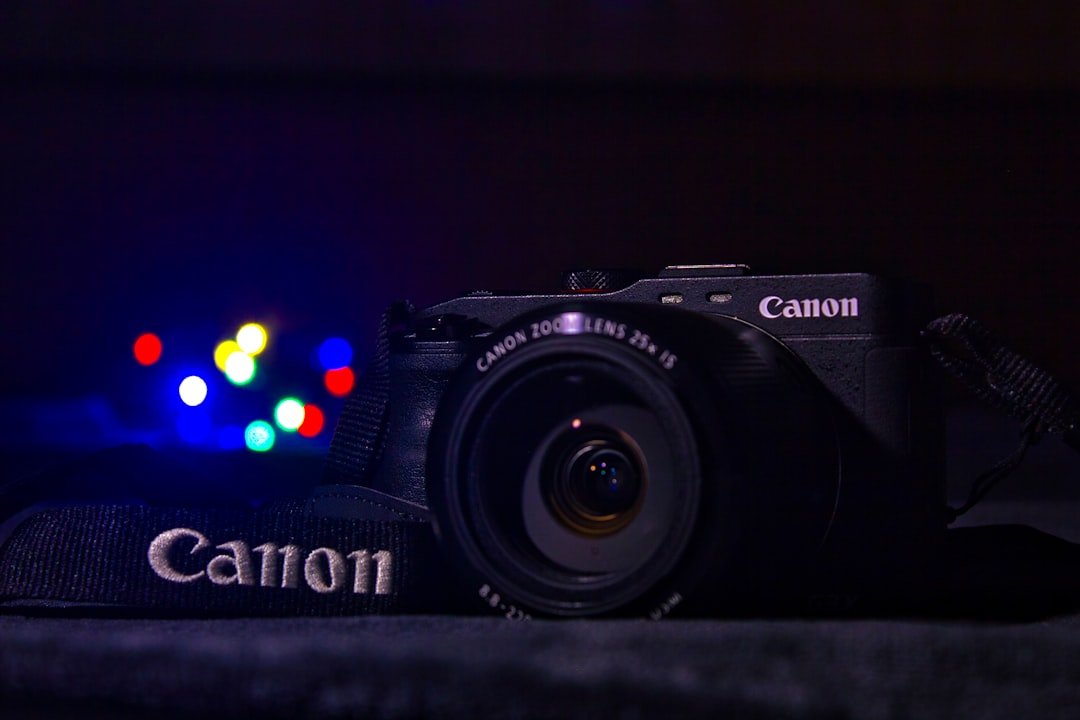
Reassessing Premium Resolution in Today’s Camera Market
Sony’s latest megapixel-focused mirrorless system reveals an intriguing paradox that extends beyond mere hardware specifications. The genuine limitations photographers encounter stem not from sensor deficiencies or mechanical shortcomings, but rather from the psychological expectations surrounding ultra-high-resolution imaging in an era where versatile, multi-purpose bodies dominate professional workflows.
After extended real-world testing, the disconnect between what enthusiasts anticipate from a resolution-centric camera and its practical performance in daily shooting scenarios becomes increasingly apparent. This fundamental mismatch—rooted in perception rather than engineering—fundamentally influences how practitioners interact with specialized photographic tools.
Understanding the Expectations Game
The megapixel race has conditioned photographers to believe that climbing resolution numbers automatically translates to proportional improvements in image quality and creative flexibility. However, contemporary sensor technology has largely plateaued in terms of raw performance gains. What separates premium bodies from their competitors increasingly comes down to autofocus systems, ergonomic refinement, and software intelligence rather than raw pixel counts.
Sony’s specialized offering excels in traditional metrics—exceptional color science, outstanding dynamic range, and meticulous build quality remain hallmarks of the brand. Yet when positioned alongside increasingly capable hybrid systems offering superior battery longevity, faster processing speeds, and broader lens ecosystems, the premium pricing becomes more difficult to justify for general assignments.
The Practical Reality Check
Extended field testing demonstrates that professional photographers utilizing this platform achieve remarkable results, provided their workflows genuinely demand the massive file sizes and archival advantages ultra-resolution captures provide. Architectural documentation, fine art reproduction, and commercial work requiring substantial cropping flexibility represent legitimate use cases where the investment pays tangible dividends.
Conversely, editorial photographers, event specialists, and content creators find themselves managing unwieldy file hierarchies, grappling with increased storage demands, and experiencing workflow slowdowns that undermine productivity gains. The technical superiority becomes counterproductive when practical constraints limit shooting efficiency.
Reframing the Value Proposition
Rather than evaluating this camera against universal standards, photographers must honestly assess whether their actual output requirements justify specialized equipment investment. The most successful practitioners recognize this device as a purposeful tool for specific applications—not as a universal upgrade path.
Sony has engineered an exceptionally capable system that delivers on its core promises. The real question isn’t whether the hardware performs admirably; clearly, it does. Instead, serious consideration requires examining whether your professional practice genuinely benefits from megapixel abundance, or whether more balanced alternatives better serve your operational reality.
The calculus shifts dramatically when personal ambitions align with technical capabilities. For photographers whose projects demand maximum resolution flexibility and archival longevity, the substantial investment becomes measurably worthwhile. For others, the premium positioned body represents impressive engineering solving problems they don’t actually encounter.
Final Thoughts
This specialized instrument occupies a legitimate niche within professional photography. Its weakness isn’t technological—it’s definitional. Understanding whether you’re actually operating within that intended niche fundamentally determines whether the considerable financial commitment represents smart equipment strategy or premature specialization.