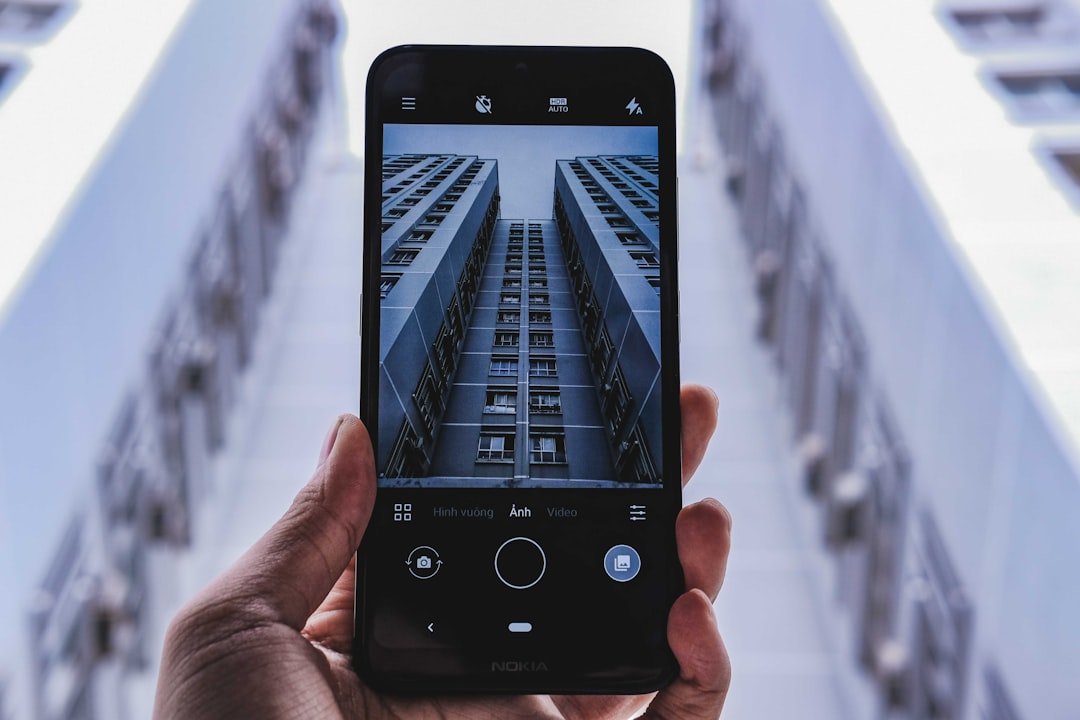
The Evolution of Mobile Photography: A Two-Decade Revolution
The ubiquity of smartphones in contemporary society is undeniable. Over the past two decades, these pocket-sized computing devices have undergone a remarkable transformation—evolving from basic telecommunication tools into sophisticated multimedia powerhouses that rival dedicated imaging equipment in many respects.
Twenty years ago, the smartphone landscape looked dramatically different. Devices featured limited display real estate, minimal processing capability, and served primarily as portable communication devices. Their functionality was intentionally narrow: voice calls and text messaging comprised the extent of their capabilities. The notion that these gadgets would eventually challenge professional-grade cameras seemed implausible to most industry observers.
Today’s Multi-Functional Mobile Ecosystem
The trajectory of smartphone development has proven those skeptics wrong. Contemporary mobile devices now function as comprehensive digital ecosystems. Users seamlessly transition between communication applications, audio streaming platforms, navigation systems powered by GPS technology, and increasingly sophisticated computational photography solutions.
The camera functionality embedded within modern smartphones deserves particular attention from photography enthusiasts and professionals alike. Computational photography—leveraging artificial intelligence, advanced sensor technology, and sophisticated algorithmic processing—has transformed mobile devices into credible alternatives for content creation across multiple genres. Night mode capabilities, dynamic range optimization, and multi-lens array systems have narrowed the technical gap between smartphones and traditional interchangeable-lens cameras.
Professional Implications for 2026
As we approach 2026, the question becomes increasingly relevant: will smartphone imaging technology achieve sufficient maturity to render traditional camera systems obsolete? The answer remains nuanced. While mobile devices excel in convenience, portability, and everyday documentation, professional practitioners in fields requiring specialized optics, extended battery life, and granular manual control will likely continue relying on dedicated equipment.
However, the trajectory suggests a convergence rather than a replacement scenario. Photography professionals increasingly incorporate mobile devices into hybrid workflows, leveraging their instant connectivity and content distribution capabilities alongside traditional cameras. Emerging creators and social media content producers have already embraced smartphones as primary capture devices.
The advancement in sensor miniaturization, processing power, and optical engineering continues accelerating. By 2026, we may witness smartphone imaging capabilities that would astound photographers from even five years prior. Yet the complete replacement scenario depends less on technological achievement and more on evolving professional standards, user expectations, and the specific demands of various photographic disciplines.
The future likely belongs not to wholesale replacement, but rather to intelligent integration of complementary technologies that serve different creative and practical purposes.