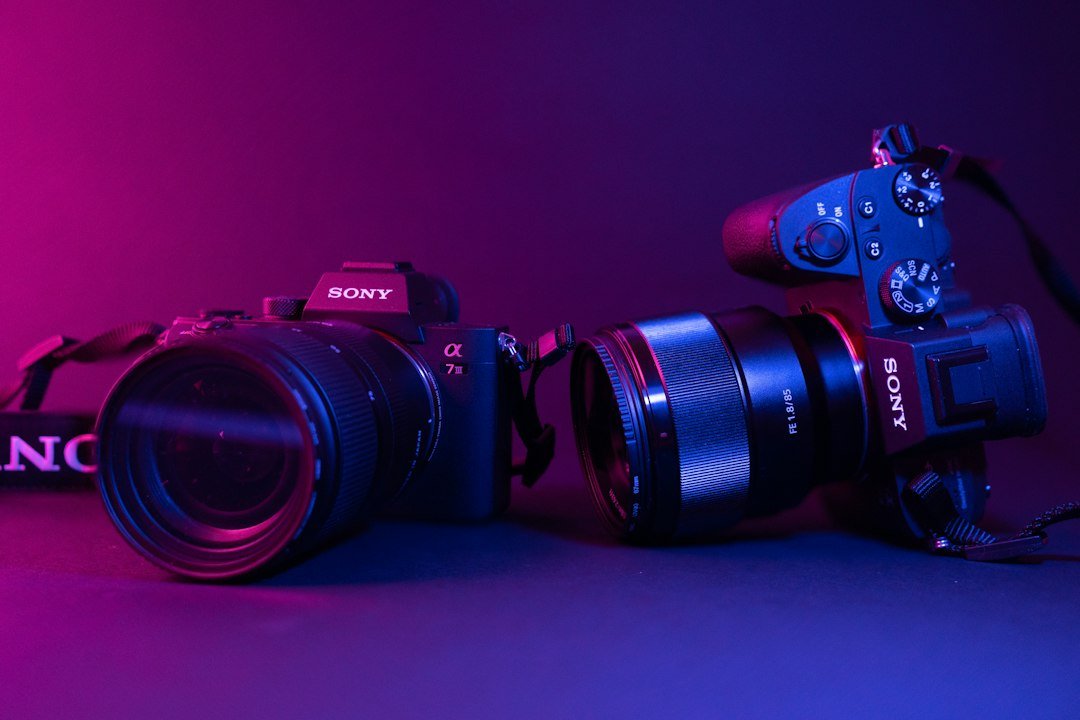
Evaluating Nikon’s Viewfinder-Less Strategy Against Sony’s Premium Compact
The mirrorless camera market continues to evolve with manufacturers making bold design decisions to hit specific price points and target distinct user segments. Nikon’s latest entry into this conversation, the Z5IIC, presents an intriguing proposition: a full-frame imaging solution with integrated stabilization and uncompressed RAW video capture, all contained within a sub-$1,500 chassis. However, this aggressive pricing strategy comes with a notable trade-off—the absence of an integrated electronic viewfinder—a compromise that sparked considerable debate within the photography community even before units reached shooters’ hands.
The decision to omit the viewfinder represents a philosophical shift in how manufacturers approach entry-level full-frame offerings. This design choice creates meaningful implications for professionals and enthusiasts who frequently work in specific contexts or require versatile backup systems. For photographers specializing in wedding documentation or those frequently on location, the viewfinder-less configuration demands careful consideration against how it translates to practical workflow during extended shooting sessions.
The Value Proposition in Context
When evaluating this Nikon offering against Sony’s more compact premium alternative, the conversation extends beyond raw specifications. The philosophical differences between these manufacturers influence their engineering priorities and feature implementation. Sony’s approach emphasizes refined ergonomics and optical sophistication within a smaller footprint, commanding premium pricing for that refinement. Meanwhile, Nikon’s strategy prioritizes core imaging capabilities and creative tools, accepting certain compromises to maintain accessibility.
The inclusion of in-body stabilization on the Z5IIC addresses a genuine need for stabilized shooting across varied lighting conditions and focal lengths. This feature proves particularly valuable for hybrid photographers working across both stills and motion applications. The native RAW video capability further signals Nikon’s commitment to attracting content creators and cinematographers seeking full-frame flexibility without specialized peripheral investments.
Practical Considerations for Working Professionals
The absence of an integrated viewfinder necessitates reliance on rear LCD monitoring or external electronic viewfinder attachments—a workflow modification that carries both advantages and disadvantages depending on shooting circumstances. Documentary photographers and videographers often embrace rear-screen composition for spontaneity and flexibility. Conversely, precision-focused work—portraiture with shallow depth of field, for instance—traditionally benefits from magnified viewfinder information.
For photographers considering this camera as a secondary body alongside existing full-frame equipment, the system implications prove decisive. Integration with existing lens collections, firmware ecosystems, and accessory compatibility warrant careful evaluation. Similarly, professionals assembling travel-focused kit or establishing backup systems appreciate how build quality and reliability factor into long-term value calculations.
Making Your Decision
Rather than pursuing an abstract “better” determination, the meaningful analysis involves matching camera capabilities to specific professional requirements and shooting methodologies. The Z5IIC excels for photographers prioritizing stabilization, RAW video flexibility, and aggressive pricing. Sony’s alternative appeals to those valuing refined ergonomic design and optical sophistication, accepting higher investment accordingly.
Informed purchasing decisions emerge from honest assessment of personal shooting patterns, not abstract performance metrics. Extended hands-on evaluation—ideally across representative shooting conditions—remains the most reliable path toward confidence in either option.